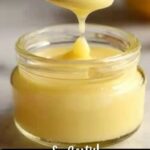
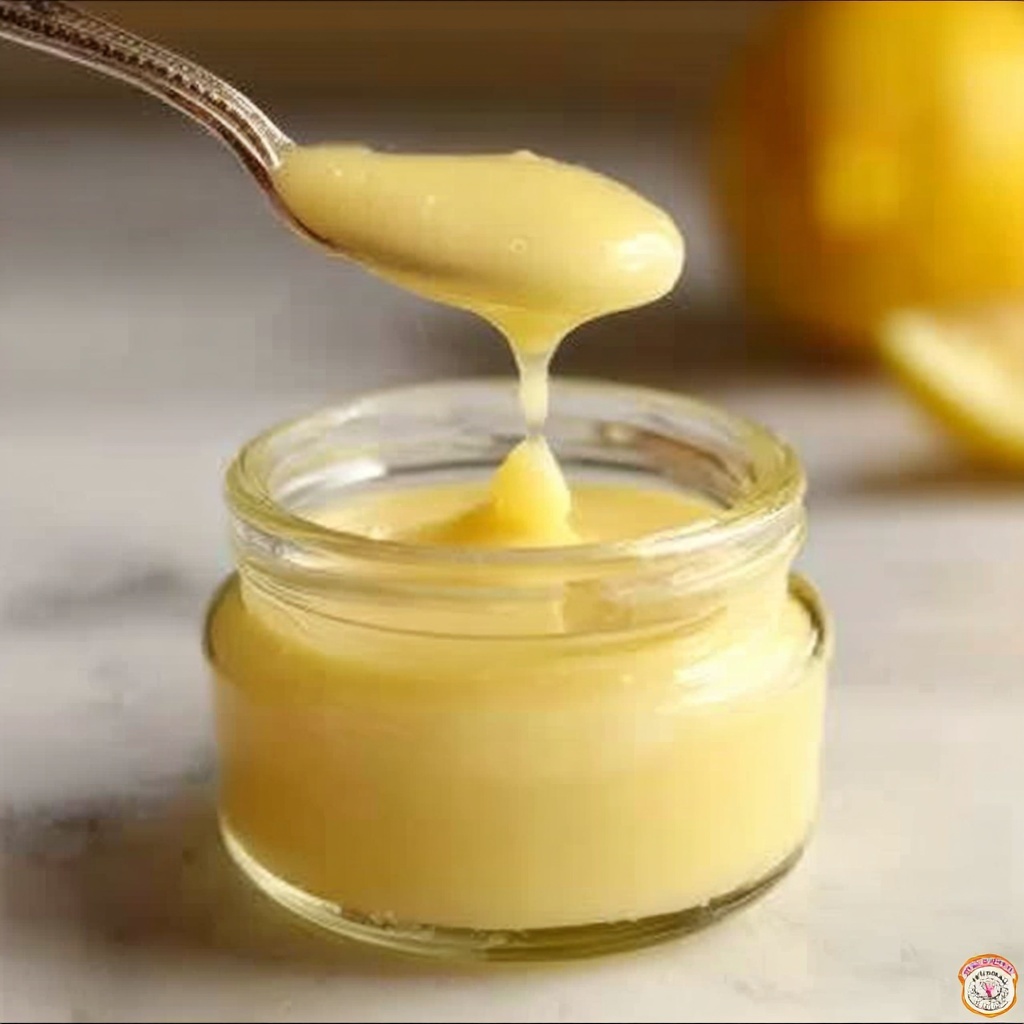
If you’ve ever tasted a dessert that instantly brightens your day with its vibrant, tangy, and creamy flavor, then you know exactly why this Lemon Curd Recipe is a total game-changer. This luscious, velvety curd offers a perfect balance of zesty lemon brightness and sweet buttery richness that elevates everything from breakfast toast to fancy pastries. The best part? It’s incredibly easy to make at home, using simple ingredients that come together in under half an hour. Trust me, once you try this lemon curd, you’re going to want to keep a jar in your fridge at all times. Let me walk you through the neat little secrets of crafting this dazzling treat.
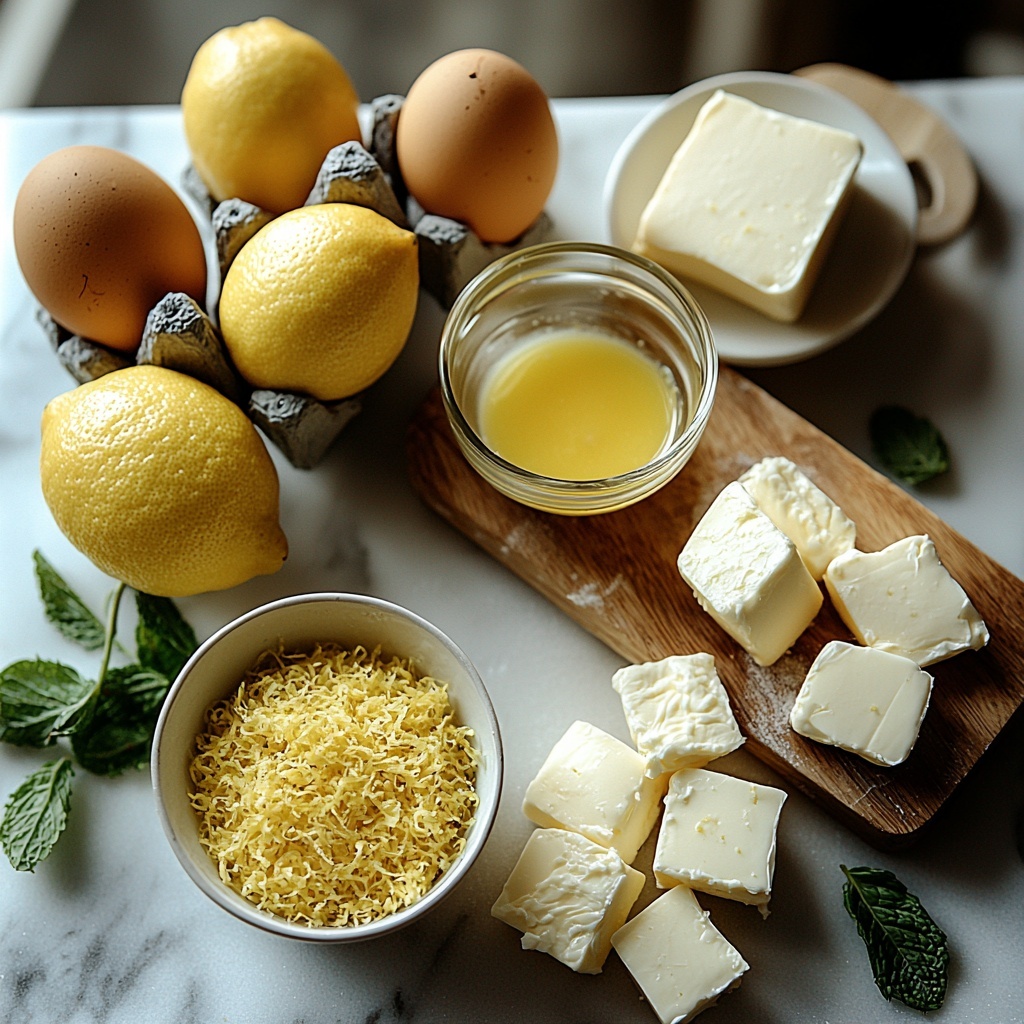
Ingredients You’ll Need
Preparing this Lemon Curd Recipe is all about fresh, wholesome ingredients that pack vibrant flavor and indulgent creaminess. Each item on the list plays a crucial role: lemons for that zingy tartness, sugar to balance it perfectly, eggs for that silky custard body, and butter to round it out with richness and smooth texture.
- Fresh Lemons (3-4): These provide both the juice and zest, delivering tartness and aromatic oils to brighten the curd.
- Granulated Sugar (1 cup): Adds the essential sweetness to balance the lemon’s natural acidity.
- Large Eggs (3): The eggs thicken and set the curd, giving it that creamy, custard-like consistency.
- Unsalted Butter (1/2 cup, softened): Butter adds luscious smoothness and a rich flavor that makes the curd irresistible.
- Optional Additional Lemon Zest: For those who love an extra punch of lemon aroma and flavor.
How to Make Lemon Curd Recipe
Step 1: Prepare Your Ingredients
Start by zesting and juicing your fresh lemons carefully—avoid the bitter white pith beneath the zest because it can overpower that perfect balance you’re aiming for. Measure out your sugar, crack the eggs into a mixing bowl, and soften the butter by cutting it into small cubes so it melts smoothly later.
Step 2: Combine Lemon Juice, Zest, Sugar, and Eggs
Whisk together the lemon juice, zest, sugar, and eggs until you achieve a smooth, lump-free mixture. This step is key for an even texture and to ensure the sugar begins dissolving.
Step 3: Cook the Mixture Gently
Set the bowl over a saucepan filled with simmering water, creating a gentle double boiler. Stir continuously to allow the lemon mixture to thicken slowly without scrambling the eggs. This patience pays off with the perfect custard-like consistency.
Step 4: Add Butter
Once your lemon curd has thickened, remove it from heat and gradually whisk in the softened butter cubes. This transforms the curd into a silky, luxurious, and spreadable sensation you’ll want to dive right into.
Step 5: Cool and Store
Pour the luscious lemon curd into sterilized jars or containers. Allow it to cool completely before sealing to trap freshness. Keep refrigerated and enjoy within two weeks for the best flavor and texture.
How to Serve Lemon Curd Recipe
Garnishes
Enhance your lemon curd with a sprinkle of fresh lemon zest, a few mint leaves, or even a dusting of powdered sugar. These simple touches add stunning color contrasts and invite your guests to dive in.
Side Dishes
Lemon curd pairs wonderfully with buttery scones, warm toast, or flaky croissants for breakfast or tea time. It also complements vanilla ice cream or dolloped atop fresh berries for a delicious dessert combination.
Creative Ways to Present
Try swirling lemon curd into Greek yogurt for a tangy treat or using it as a filling for cupcakes, tarts, and pavlovas. You can even layer it in parfait glasses with granola and whipped cream for elegance in a jar.
Make Ahead and Storage
Storing Leftovers
Your homemade lemon curd keeps best in airtight jars in the refrigerator. Properly stored, it maintains its fresh flavor and smooth texture for up to two weeks, making it a versatile condiment to enjoy at any time.
Freezing
While freezable, lemon curd’s texture may alter slightly after thawing. If you want to freeze it, place it in an airtight container leaving some headspace for expansion. Thaw in the fridge overnight before using.
Reheating
To gently restore lemon curd’s silky consistency, warm it over a double boiler or in a microwave using short bursts with stirring in between. Avoid high heat to prevent curdling and retain that smooth custard feel.
FAQs
Can I use bottled lemon juice instead of fresh lemons?
Fresh lemons are highly recommended for their bright, fragrant oils and natural flavor, which bottled juice lacks. Fresh zest is especially important in this recipe to achieve the authentic lemon curd taste.
How thick should the lemon curd be when it’s done?
Properly cooked lemon curd should be thick enough to coat the back of a spoon without running off quickly—a silky custard consistency that holds shape but is still soft.
Is it safe to use raw eggs in lemon curd?
The eggs in this recipe are gently cooked over simmering water until thickened, minimizing any food safety risks. Just be sure to cook thoroughly and avoid overheating which causes scrambling.
Can I make this recipe vegan or dairy-free?
Traditional lemon curd relies on eggs and butter, but there are vegan adaptations using cornstarch for thickening and plant-based butter alternatives that can work with some tweaks.
How long does homemade lemon curd last in the fridge?
Stored properly in a sealed container, homemade lemon curd stays fresh and flavorful for up to two weeks. Always check for any off smells or mold before use.
Final Thoughts
Making your own Lemon Curd Recipe at home is truly a rewarding experience that adds endless warmth and brightness to your meals. It’s vibrant, simple, and utterly delicious—a little jar of sunshine perfect for any occasion. I hope you enjoy whipping up this classic as much as I do, and that it brings as much joy to your table as it always does to mine.
Print
Lemon Curd Recipe
- Prep Time: 10 minutes
- Cook Time: 15 minutes
- Total Time: 25 minutes
- Yield: 1 cup (about 1 serving as a spread or filling)
- Category: Condiment
- Method: Stovetop
- Cuisine: British
Description
This classic lemon curd recipe delivers a luscious, tangy, and sweet spread made from fresh lemons, sugar, eggs, and butter. Perfect for spreading on toast, dolloping on desserts, or using as a filling, this silky lemon curd is made gently over a double boiler to ensure a smooth, custard-like texture without scrambling the eggs.
Ingredients
Primary Ingredients
- 3–4 Fresh Lemons (for juice and zest, about 1/2 cup lemon juice and 1 tablespoon zest)
- 1 cup Granulated Sugar
- 3 Large Eggs
- 1/2 cup Unsalted Butter (1 stick, softened and cut into cubes)
Optional
- Additional Lemon Zest for extra flavor
Instructions
- Prepare Your Ingredients: Zest and juice fresh lemons carefully, avoiding any bitter white pith. Measure out the sugar, crack the eggs into a heatproof mixing bowl, and soften the unsalted butter by cutting it into cubes.
- Combine Lemon Juice, Zest, Sugar, and Eggs: Whisk the lemon juice, lemon zest, sugar, and eggs together in the bowl until thoroughly combined and smooth, making sure there are no lumps.
- Cook the Mixture Gently: Set the bowl over a saucepan of simmering water, creating a double boiler. Stir the mixture constantly and gently as it thickens slowly; this prevents the eggs from scrambling and helps achieve a custard-like consistency.
- Add Butter: When the curd has thickened and coats the back of a spoon, remove it from the heat. Gradually stir in the softened butter cubes until the butter is fully melted and the curd is smooth and silky.
- Cool and Store: Pour the lemon curd into sterilized jars or airtight containers. Allow it to cool completely at room temperature, then seal and refrigerate. The curd keeps well for up to two weeks. Enjoy it chilled or at room temperature as a versatile topping or filling.
Notes
- Be sure to avoid letting the mixture boil during cooking to prevent curdling.
- Use fresh lemons for the best bright and natural lemon flavor.
- The double boiler technique ensures gentle, even heat to thicken the custard without scrambling the eggs.
- Store lemon curd in sterilized containers in the refrigerator for freshness.
- Use leftover lemon zest for garnish or lemon-flavored dishes.