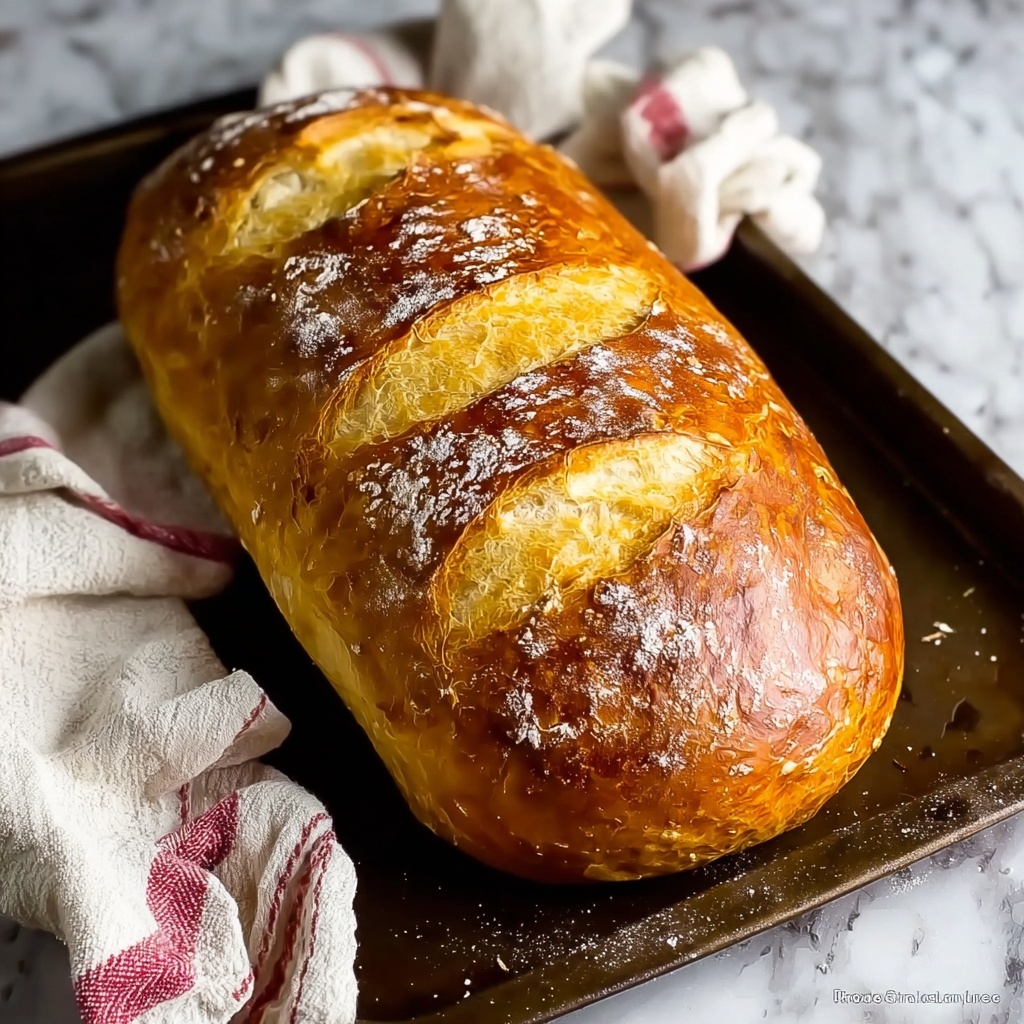
If you’ve ever dreamed of filling your kitchen with the warm, comforting aroma of freshly baked bread, then this Italian Homemade Bread Recipe is just what you need. It’s wonderfully simple, requiring only a handful of everyday ingredients, yet it yields a crusty, golden loaf with a soft, tender crumb that tastes like it was pulled straight from an Italian bakery. Whether you’re new to bread baking or a seasoned pro, this recipe invites you to enjoy the magic of making bread by hand and savoring every bite of your own homemade creation.
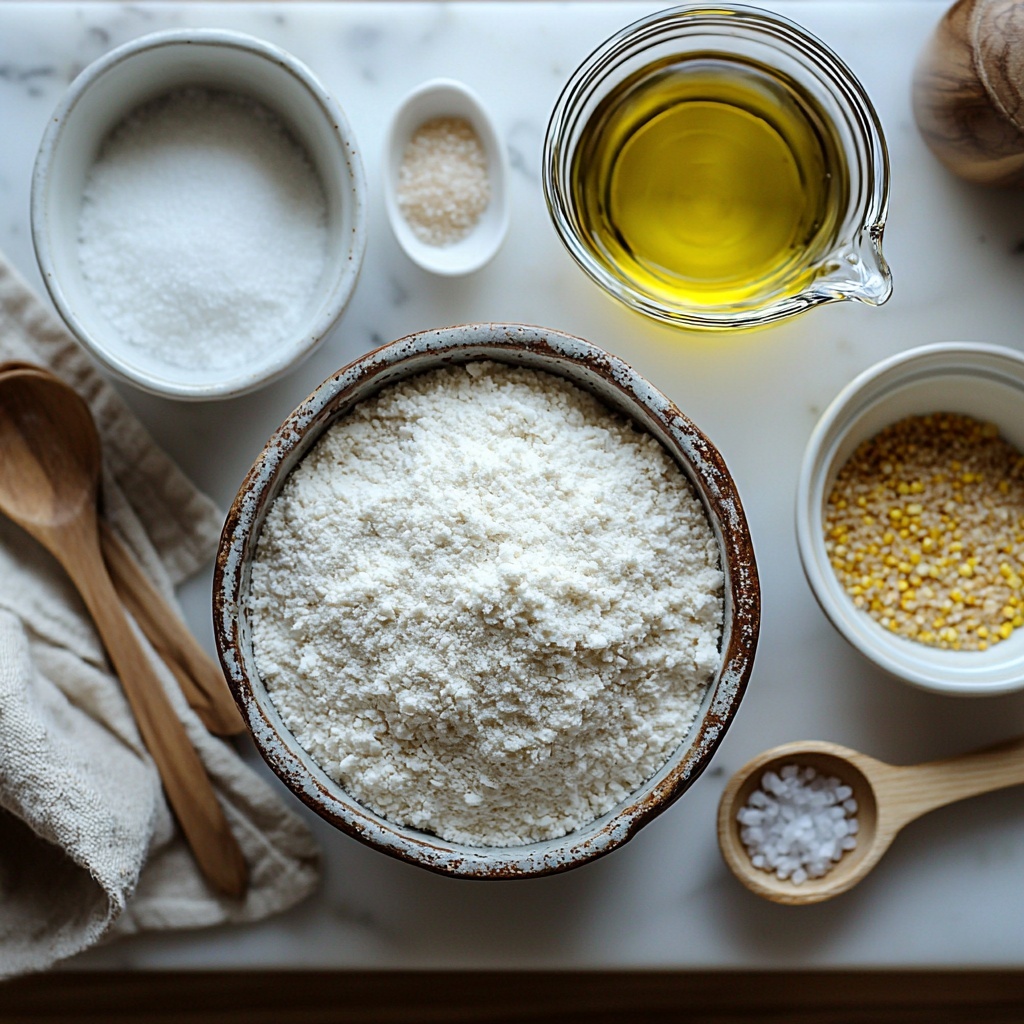
Ingredients You’ll Need
The magic of this Italian Homemade Bread Recipe lies in the simplicity of its ingredients, each playing a vital role in crafting the perfect loaf. From the flour that forms the backbone to the yeast that creates that inviting rise, every component is essential, subtle, and delicious.
- 3 1/2 cups all-purpose flour: The main structure of the bread, providing a tender yet chewy texture when kneaded just right.
- 1 tablespoon sugar: Feeds the yeast to help the dough rise beautifully and adds a hint of sweetness to balance the salt.
- 2 teaspoons salt: Enhances flavor and tightens the gluten for a perfect bread crumb.
- 1 tablespoon active dry yeast: The powerhouse that makes the dough rise and creates an airy, light loaf.
- 1 1/2 cups warm water (110°F/45°C): Activates the yeast and hydrates the flour for a pliable dough.
- 1 tablespoon olive oil: Contributes to the bread’s tender crumb and adds a signature Mediterranean flavor.
- 1 tablespoon cornmeal (for dusting): Prevents sticking and adds a subtle crunch to the crust when the bread bakes.
How to Make Italian Homemade Bread Recipe
Step 1: Activate the Yeast
Start by dissolving sugar and yeast in warm water. Let the mixture sit for 5 to 10 minutes until it becomes foamy and bubbly — this tells you your yeast is alive and ready to work its magic.
Step 2: Mix the Dough
In a large mixing bowl, combine the flour and salt to evenly distribute the salt’s flavor. Pour in the yeast mixture and olive oil, then stir until it comes together to form a rough dough. This initial combination sets the stage for a hearty, delicious loaf.
Step 3: Knead for Perfection
Turn your dough out onto a floured surface and knead it by hand for 8 to 10 minutes. This step is where the dough transforms smoothly and elastically, developing the gluten strands that give bread its signature chewiness.
Step 4: First Rise
Shape the dough into a ball and place it into a greased bowl. Cover with a damp cloth to keep the moisture in, and let it rise in a warm spot for 1 to 2 hours or until it doubles in size. This rising period brings life to your dough and makes all the difference in texture.
Step 5: Prepare to Bake
Preheat your oven to 375°F (190°C). Once your dough has risen, gently punch it down to release air bubbles, then form it into a loaf. Place it on a baking sheet dusted with cornmeal — the cornmeal prevents sticking while giving a bit of that delightful crunch.
Step 6: Final Rise and Scoring
Let your loaf rise again for about 30 minutes. Just before baking, use a sharp knife to slash the top of the dough. These cuts aren’t just decorative; they allow steam to escape for an even bake and beautiful crust.
Step 7: Baking to Golden Perfection
Bake the loaf for 25 to 30 minutes until the crust turns a gorgeous golden brown and the bread sounds hollow when tapped. This auditory test is a simple way to ensure your bread is baked through.
Step 8: Cooling
Once baked, let your bread cool completely on a wire rack before slicing. Cooling helps the interior set, so each slice stays perfectly tender without falling apart.
How to Serve Italian Homemade Bread Recipe
Garnishes
A drizzle of extra virgin olive oil with a sprinkle of flaky sea salt can elevate your bread to a simple yet unforgettable treat. For a festive touch, add some fresh herbs like rosemary or thyme on top before serving.
Side Dishes
This bread pairs beautifully with classic Italian dishes like soups, pasta, or even a rich antipasto platter. It’s perfect for sopping up sauces or enjoying alongside a creamy dip or fresh mozzarella and tomatoes.
Creative Ways to Present
For a cozy gathering, serve the loaf sliced in a rustic basket lined with a colorful napkin. You can also hollow out the center to create a bread bowl filled with your favorite stew or warm dip, turning your Italian Homemade Bread Recipe into a stunning centerpiece.
Make Ahead and Storage
Storing Leftovers
Wrap your leftover bread tightly in plastic wrap or keep it in a bread box to maintain freshness for up to two days. Avoid refrigeration as it can dry the bread out prematurely.
Freezing
If you want to keep your Italian Homemade Bread Recipe longer, slice it first, then place the slices in a resealable freezer bag. Frozen bread keeps well for up to three months and lets you enjoy fresh bread any time with minimal effort.
Reheating
To bring back that just-baked feel, reheat slices in a toaster or warm the whole loaf in a 350°F (175°C) oven for about 10 minutes. This restores the crust’s crispness and the crumb’s softness perfectly.
FAQs
Can I use whole wheat flour instead of all-purpose flour?
Yes, you can substitute whole wheat flour for all or part of the all-purpose flour, but keep in mind it will make the bread denser and give it a nuttier flavor. You might need to adjust the water slightly as whole wheat flour absorbs more moisture.
What if my dough doesn’t rise?
This usually means the yeast was inactive. Make sure your water is warm but not hot, and that your yeast is fresh. If in doubt, proof your yeast first by checking for foam in the sugar-water mixture before adding flour.
Can I make this bread in a bread machine?
While this recipe is designed for hand kneading and oven baking, you can definitely adapt the ingredients for a bread machine. Use the dough cycle, then shape and bake the loaf in the oven for best crust results.
Why do I need to slash the dough before baking?
Scoring the dough allows gases to escape while baking, prevents the bread from bursting unpredictably, and gives the loaf a beautiful, rustic appearance. It’s a small step that makes a big difference.
How long will the bread stay fresh?
Freshly baked bread is best enjoyed within 1 or 2 days, but properly stored, it can last up to a week. For longer storage, freezing is your friend to keep that fresh-out-of-the-oven taste alive.
Final Thoughts
You really can’t beat the satisfaction of making your own Italian Homemade Bread Recipe at home. It’s comforting, rewarding, and so versatile — perfect for sharing with family and friends or simply enjoying with a bit of butter and your favorite jam. Give it a try, and you might just find yourself baking this loaf again and again.
Print
Italian Homemade Bread Recipe
- Prep Time: 20 minutes
- Cook Time: 30 minutes
- Total Time: 1 hour 45 minutes
- Yield: 12 servings
- Category: Bread
- Method: Baking
- Cuisine: Italian
Description
This classic Italian Bread Recipe yields a golden, crusty loaf with a soft, chewy interior. Perfect for sandwiches, dipping, or enjoying fresh with olive oil, this bread combines simple ingredients and traditional techniques to create authentic homemade bread that’s both satisfying and delicious.
Ingredients
Dough Ingredients
- 3 1/2 cups all-purpose flour
- 1 tablespoon sugar
- 2 teaspoons salt
- 1 tablespoon active dry yeast
- 1 1/2 cups warm water (110°F/45°C)
- 1 tablespoon olive oil
Baking Preparation
- 1 tablespoon cornmeal (for dusting)
Instructions
- Activate Yeast: In a small bowl, dissolve sugar and yeast in warm water. Let sit for 5–10 minutes until the mixture becomes foamy, indicating that the yeast is active and ready to use.
- Mix Dough: In a large bowl, combine the all-purpose flour and salt. Add the yeast mixture along with olive oil, then stir until a dough begins to form.
- Knead Dough: Turn the dough out onto a floured surface and knead it for 8–10 minutes. Continue kneading until the dough is smooth, elastic, and slightly tacky to the touch.
- First Rise: Lightly grease a large bowl and place the dough inside. Cover it with a damp cloth and let it rise in a warm, draft-free spot for 1–2 hours, or until the dough has doubled in size.
- Preheat Oven: Towards the end of the rising period, preheat your oven to 375°F (190°C) to ensure it reaches the right temperature for baking.
- Shape Loaf: Punch down the risen dough to release excess air. Shape it into a loaf and place it onto a baking sheet that has been dusted with cornmeal to prevent sticking and add texture to the crust.
- Second Rise: Allow the shaped dough to rise on the baking sheet for an additional 30 minutes. Just before baking, use a sharp knife to slash the top of the loaf; this allows steam to escape and helps the bread expand evenly.
- Bake: Bake the loaf in the preheated oven for 25–30 minutes, or until the bread is golden brown and sounds hollow when tapped on the bottom, signaling it is fully baked.
- Cool: Remove the bread from the oven and transfer it to a wire rack. Let it cool completely before slicing to ensure the texture sets and the bread slices cleanly.
Notes
- Make sure your water is warm but not hot to avoid killing the yeast.
- Kneading time is crucial for gluten development which gives the bread its chewy texture.
- Allowing the dough to rise sufficiently ensures a light, airy crumb.
- Slashing the loaf before baking helps control the expansion and prevents cracking.
- Use a baking stone or preheated baking sheet for a crispier bottom crust if available.
- Store leftover bread in a paper bag or wrapped in a cloth to maintain crustiness.