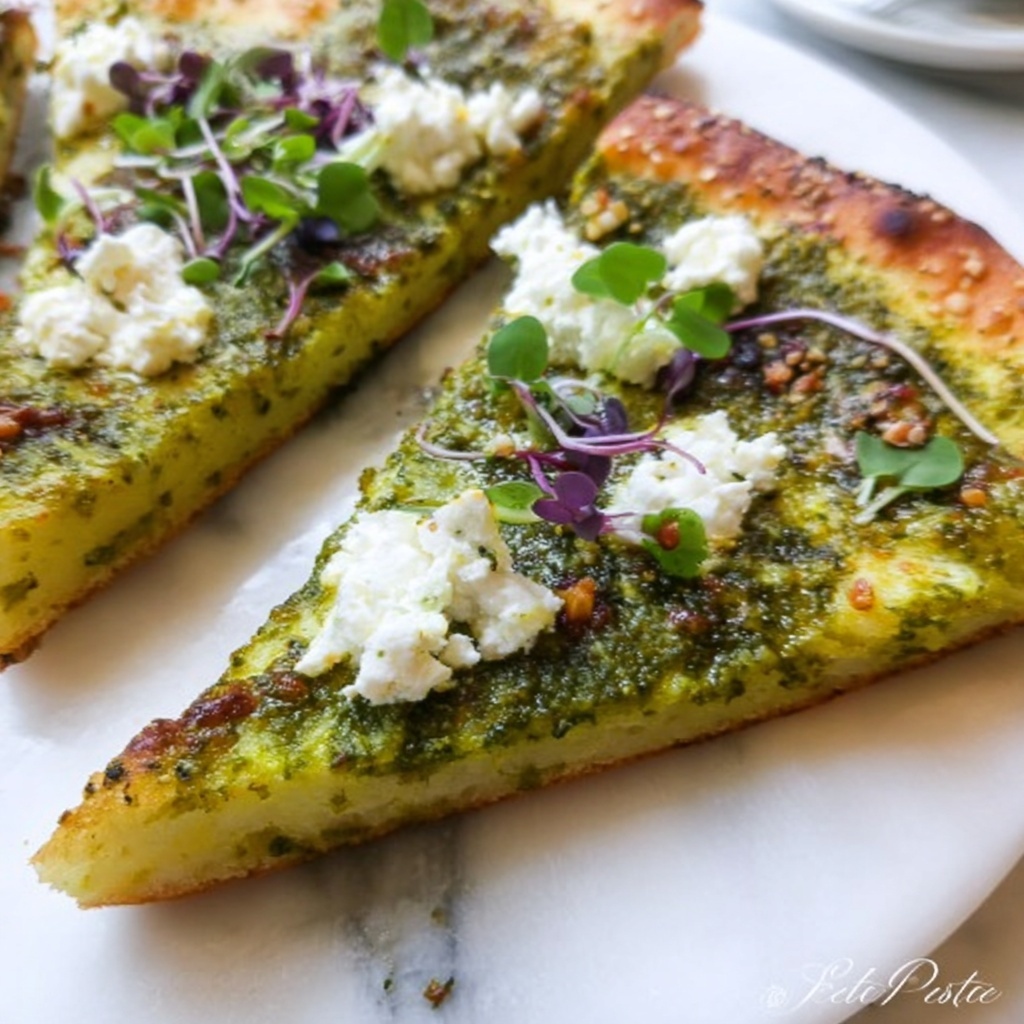
If you are on the lookout for a vibrant, fresh, and utterly delicious pizza to impress your friends or indulge your own palate, the Pistachio Pesto Pizza with Asparagus, Peas, and Microgreens Recipe is an absolute showstopper. This pizza effortlessly combines a nutty, aromatic pistachio pesto with bright green asparagus and sweet peas, all crowned by a sprinkle of peppery microgreens that bring a burst of garden freshness. With its golden crust and a medley of creamy cheeses, it’s a symphony of textures and flavors that feels both indulgent and light. Get ready to fall in love bite after bite with this stunning take on homemade pizza.
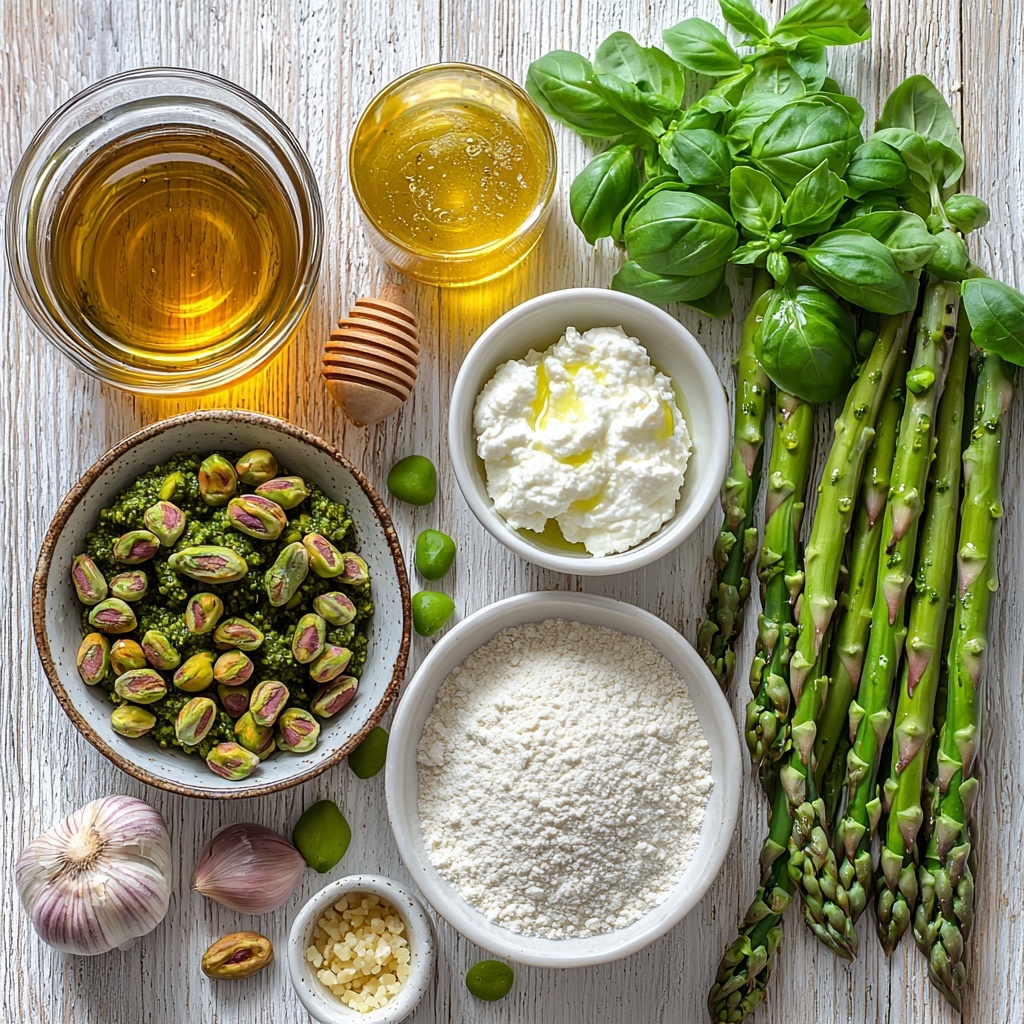
Ingredients You’ll Need
This recipe relies on a handful of simple yet thoughtfully chosen ingredients, each playing a key role in building layers of flavor and texture. From the warm yeast that creates the perfect crust to the seasonal vegetables that add color and crunch, every ingredient matters to bring this Pistachio Pesto Pizza with Asparagus, Peas, and Microgreens Recipe to life.
- Warm water: Activates the yeast for a fluffy dough base.
- Active dry yeast: Essential for that perfect rise and airy crust.
- Honey: Adds a subtle sweetness to balance the savory flavors.
- Olive oil: Used both in the dough and pesto for richness and moisture.
- All-purpose flour: The backbone of the dough, giving it structure.
- Salt: Enhances all the natural flavors perfectly.
- Shelled pistachios: Crunchy, nutty, and the star of the pesto.
- Fresh basil leaves: Bring a fragrant, herbal aroma to the pesto.
- Garlic cloves: Add depth and a slight bite to the sauce.
- Lemon juice: Brightens the pesto and balances richness.
- Pecorino Romano cheese: Adds sharp, salty notes to the pesto.
- Ricotta cheese: Creamy and mild, it contrasts beautifully with the pesto.
- Shredded mozzarella/provolone/Italian blend cheese: Melts into a gooey, luscious blanket.
- Asparagus spears: Fresh and crisp, lending a lovely springtime bite.
- Green peas: Sweet little bursts of freshness throughout.
- Parmesan cheese: For an extra hit of umami at the end.
- Arugula or microgreens: Peppery, bright, and beautiful finishing touch.
- Lemon zest: Adds a zesty aroma and finish that lifts every bite.
- Flour and coarse cornmeal: For dusting, ensuring the pizza doesn’t stick and gets a lovely texture underneath.
How to Make Pistachio Pesto Pizza with Asparagus, Peas, and Microgreens Recipe
Step 1: Activate Your Yeast and Prepare the Dough
Start the magic by mixing warm water, active dry yeast, honey, and olive oil in a large bowl. Let this sit until it becomes foamy, about ten minutes—it’s how you know your yeast is lively and ready to create that perfect airy dough. Then, stir in the flour and salt until the dough starts to come together, switching to your hands to knead it on a floured surface. Once smooth and elastic, place the dough back into an oiled bowl, cover, and set it aside in a warm spot to rise for an hour to an hour and a half. This patient rise is key to a light crust with just the right bite.
Step 2: Whip Up the Pistachio Pesto
While your dough is doing its thing, toss shelled pistachios, torn fresh basil, garlic cloves, lemon juice, and finely grated Pecorino Romano into a food processor. Pulse until the mixture has a coarse, rustic texture that still shows bits of those pistachios. Then, stream in the extra virgin olive oil slowly while the processor runs to create a luscious pesto. Season with kosher salt and pepper to taste. This pistachio pesto is vibrant, nutty, and fragrant—a truly unforgettable sauce that defines this Pistachio Pesto Pizza with Asparagus, Peas, and Microgreens Recipe.
Step 3: Preheat Oven and Prepare Baking Surface
Set your oven to a blazing 450°F (230°C) so it can reach the perfect temperature for baking pizza. Lightly dust a 10×15 inch baking sheet with flour or coarse cornmeal—this helps your pizza slide off easily and adds a bit of crunchy texture to the crust’s underside.
Step 4: Shape and Top Your Pizza
After the dough has risen, punch it down gently to release air, then roll it out on a floured surface to fit the size of your baking sheet. Spread about half a cup of that delicious pistachio pesto evenly over the dough’s surface. Dollop ricotta cheese and sprinkle half of the lemon zest across the pizza to add creamy tang and brightness. Next, scatter the shredded mozzarella or your favorite Italian cheese blend on top for melt-in-your-mouth goodness. Finally, arrange the tender asparagus pieces and sweet green peas over the cheese, adding visual appeal and fresh flavor. If you’re a pesto lover, a bit more pesto drizzled on top won’t hurt at all!
Step 5: Bake to Golden Perfection
Slide your baking sheet into the preheated oven and bake for 15 to 20 minutes. Watch for a golden, bubbly crust and melted, slightly browned cheese. The smell will be irresistible.
Step 6: Finishing Touches and Serving
Remove the pizza from the oven and let it cool just enough to handle. Sprinkle the remaining lemon zest, a generous shave of Parmesan cheese, and extra ricotta if you like a creamy hit. Crown your pizza with fresh arugula or microgreens for a peppery finish and gorgeous color contrast. Slice it up and get ready to enjoy!
How to Serve Pistachio Pesto Pizza with Asparagus, Peas, and Microgreens Recipe
Garnishes
The fresh microgreens or arugula are not just pretty—they add a peppery crunch that balances the creamy cheeses and rich pesto. A final dusting of lemon zest and Parmesan cheese brings another layer of freshness and savory depth that really elevates the entire dish.
Side Dishes
This vibrant pizza pairs beautifully with light, crisp salads like a simple lemon vinaigrette arugula salad or a spring mix with radishes and cucumber. For drinks, a chilled white wine or sparkling water with a slice of lemon will feel as refreshing as the pizza itself.
Creative Ways to Present
Consider slicing the pizza into squares for serving at a casual gathering or cutting into main-sized wedges for family meals. You can also serve portions on individual wooden boards with a side of pesto for dipping, or drizzle a little balsamic glaze on top for an elegant twist that will wow guests.
Make Ahead and Storage
Storing Leftovers
Leftover pizza keeps wonderfully in the refrigerator for up to three days. Store slices in an airtight container or wrapped tightly in foil to maintain moisture and flavor for a quick and tasty second meal.
Freezing
If you want to save some pizza for later, freeze individual slices by wrapping them securely in plastic wrap and placing them in a freezer-safe bag. Thaw overnight in the fridge before reheating to preserve texture and taste.
Reheating
For the best results, reheat leftover pizza in a preheated oven at 375°F (190°C) for about 8-10 minutes, or until the cheese is bubbly again and the crust regains its crispness. Avoid microwaving if you can, as it tends to make the crust soggy.
FAQs
Can I make the pizza dough in advance?
Absolutely! You can prepare the dough a day ahead and refrigerate it overnight. Just bring it back to room temperature before rolling out and topping with your pistachio pesto and veggies.
Is pistachio pesto gluten-free?
Traditional pistachio pesto itself is gluten-free since it’s made from nuts, herbs, cheese, and oil. However, this Pistachio Pesto Pizza with Asparagus, Peas, and Microgreens Recipe uses a standard flour crust, which contains gluten. You could substitute with a gluten-free pizza crust if needed.
What can I substitute for Pecorino Romano cheese in the pesto?
If Pecorino Romano is unavailable, Parmesan cheese is a great substitute that will still provide a salty, sharp edge to the pesto without overpowering the pistachios and basil flavors.
Can I use frozen peas and asparagus?
Yes! Frozen peas and blanched asparagus tips work well here. Just thaw and drain them before adding to your pizza to avoid excess moisture making the crust soggy.
How spicy is the pistachio pesto?
This pistachio pesto is mild and nutty with bright lemon notes but no heat unless you add it yourself. It’s ideal for those who prefer fresh, herbal flavors over spicy kicks.
Final Thoughts
Making the Pistachio Pesto Pizza with Asparagus, Peas, and Microgreens Recipe is like inviting spring to your dinner table with every slice. The blend of nutty pesto, fresh veggies, creamy cheeses, and peppery greens creates a pizza experience that feels both indulgent and nourishing. Once you try it, this vibrant pizza will become one of your go-to favorites, perfect for a fun family meal or a lively gathering with friends. So roll up your sleeves, embrace those fresh ingredients, and treat yourself to this stunning creation—you won’t regret it!
Print
Pistachio Pesto Pizza with Asparagus, Peas, and Microgreens Recipe
- Prep Time: 30 minutes
- Cook Time: 20 minutes
- Total Time: 2 hours 17 minutes
- Yield: 4 servings
- Category: Main Course
- Method: Baking
- Cuisine: Italian
- Diet: Vegetarian
Description
This Pistachio Pesto Pizza features a homemade dough topped with a vibrant, nutty pistachio basil pesto, creamy ricotta, mozzarella blend, and fresh spring vegetables like asparagus and peas. Baked until golden and garnished with lemon zest, Parmesan, and peppery arugula, it’s a fresh, flavorful pizza perfect for a gourmet vegetarian meal.
Ingredients
For the Dough
- 1 cup warm water
- 3 teaspoons active dry yeast
- 1 tablespoon honey
- 1 tablespoon olive oil
- 2 ½ cups all-purpose flour
- 1 teaspoon salt
- Flour and coarse cornmeal for dusting
For the Pistachio Pesto
- 1 cup shelled pistachios
- 1 ½ cups loosely packed fresh basil leaves, torn
- 3 garlic cloves
- 1 tablespoon lemon juice
- ⅓ cup finely grated Pecorino Romano cheese
- ½ cup extra virgin olive oil
- Kosher salt and pepper, to taste
For the Pizza Toppings
- 1 cup ricotta cheese, plus extra for topping
- 1 cup shredded mozzarella/provolone/Italian blend cheese
- 2 lemons, zest freshly grated
- 10 to 15 asparagus spears, woody stems removed and cut into thirds
- ½ cup green peas
- Parmesan cheese, for topping
- Arugula or microgreens, for topping
Instructions
- Activate Yeast: In a large bowl, combine warm water, yeast, honey, and olive oil. Mix with a spoon and let sit until foamy, about 10 minutes.
- Form Dough: Add flour and salt to the yeast mixture, stirring until the dough comes together but remains sticky. Use your hands to form a ball and knead on a floured surface for a few minutes.
- Rise Dough: Lightly oil the same bowl, place the dough inside, turn to coat, cover with a towel, and let it rise in a warm place for 1 to 1.5 hours until doubled in size.
- Make Pistachio Pesto: While the dough rises, combine pistachios, basil, garlic, lemon juice, and Pecorino Romano cheese in a food processor. Pulse to coarsely chop, then slowly add olive oil while processing. Season with salt and pepper, adjust seasoning as needed, and set aside.
- Preheat Oven and Prepare Baking Sheet: Preheat oven to 450°F (230°C). Dust a 10×15 inch baking sheet with flour or coarse cornmeal.
- Roll Out Dough: Once risen, punch down the dough and roll it out on a floured surface to fit the baking sheet.
- Add Pesto and Cheeses: Spread about ½ cup of pistachio pesto evenly over the dough. Dollop ricotta cheese and sprinkle half the lemon zest on top, then cover with shredded mozzarella/provolone/Italian blend cheese.
- Add Vegetables: Arrange asparagus pieces and green peas evenly over the cheese. Optionally, add more pesto dollops if desired.
- Bake Pizza: Transfer the baking sheet to the oven and bake for 15 to 20 minutes, until the crust is golden and the cheese is bubbly.
- Garnish and Serve: Remove pizza from the oven and let it cool slightly. Top with the remaining lemon zest, a sprinkle of Parmesan cheese, extra ricotta, and fresh arugula or microgreens. Slice and serve warm.
Notes
- Ensure water for yeast is warm, not hot, to properly activate the yeast.
- Allow the dough enough time to rise fully for a light and airy crust.
- Pesto can be stored in an airtight container refrigerated for up to one week.
- Coarse cornmeal on the baking sheet prevents sticking and adds a subtle texture to the crust.
- Feel free to substitute asparagus and peas with other fresh spring vegetables if preferred.
- Use freshly grated lemon zest for maximum brightness and flavor.