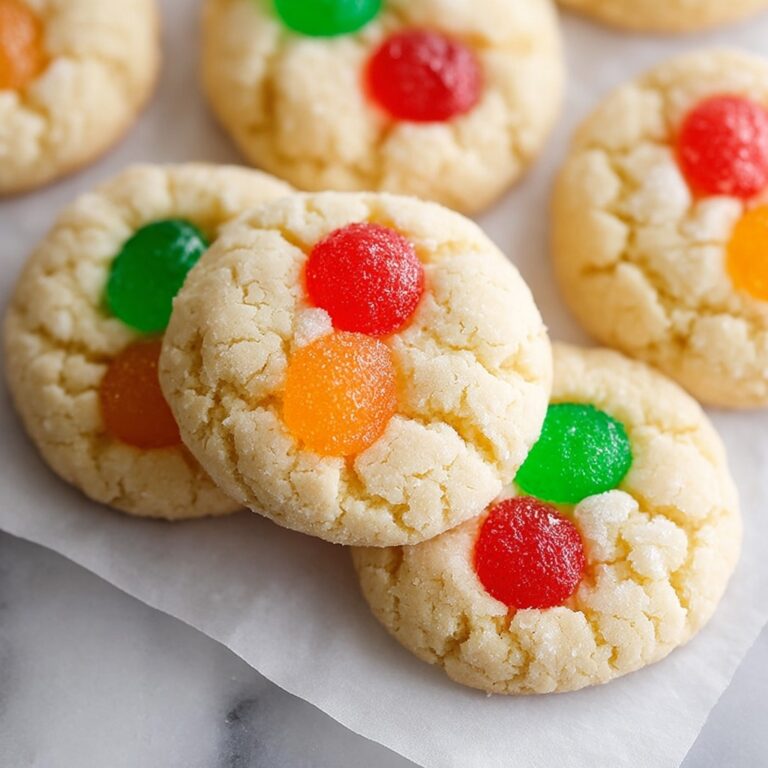
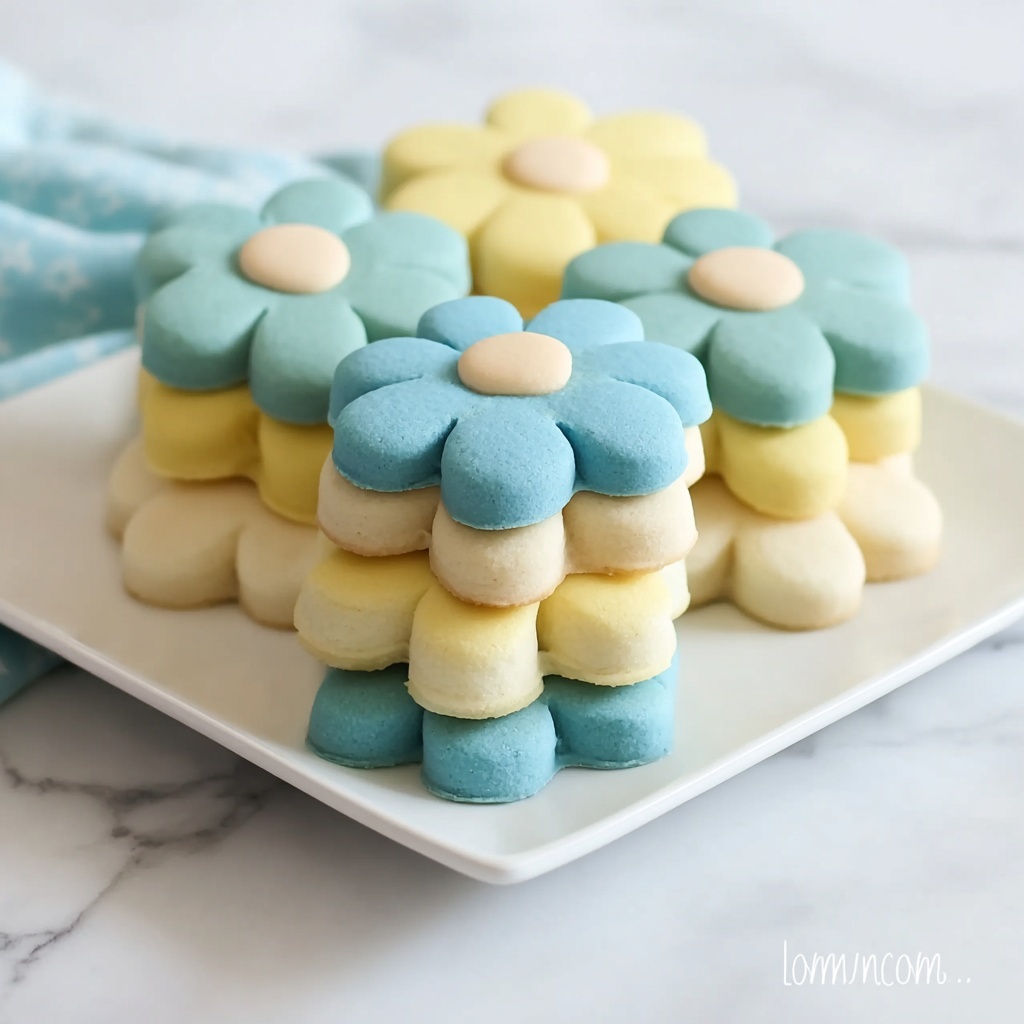
There is something utterly delightful about a buttery, tender bite of shortbread, and the Spring Flower Shortbread Recipe brings that joy with a whimsical twist that brightens any afternoon tea or festive occasion. This charming cookie recipe not only captures the buttery richness and melt-in-your-mouth texture we adore but also invites you to play with colors, creating charming little flowers that mesh flavor and visual appeal perfectly. Whether you’re a seasoned baker or just love crafting sweet treats, this Spring Flower Shortbread Recipe offers a fun, approachable way to create a stunning, delicious cookie that’s sure to impress friends and family alike.
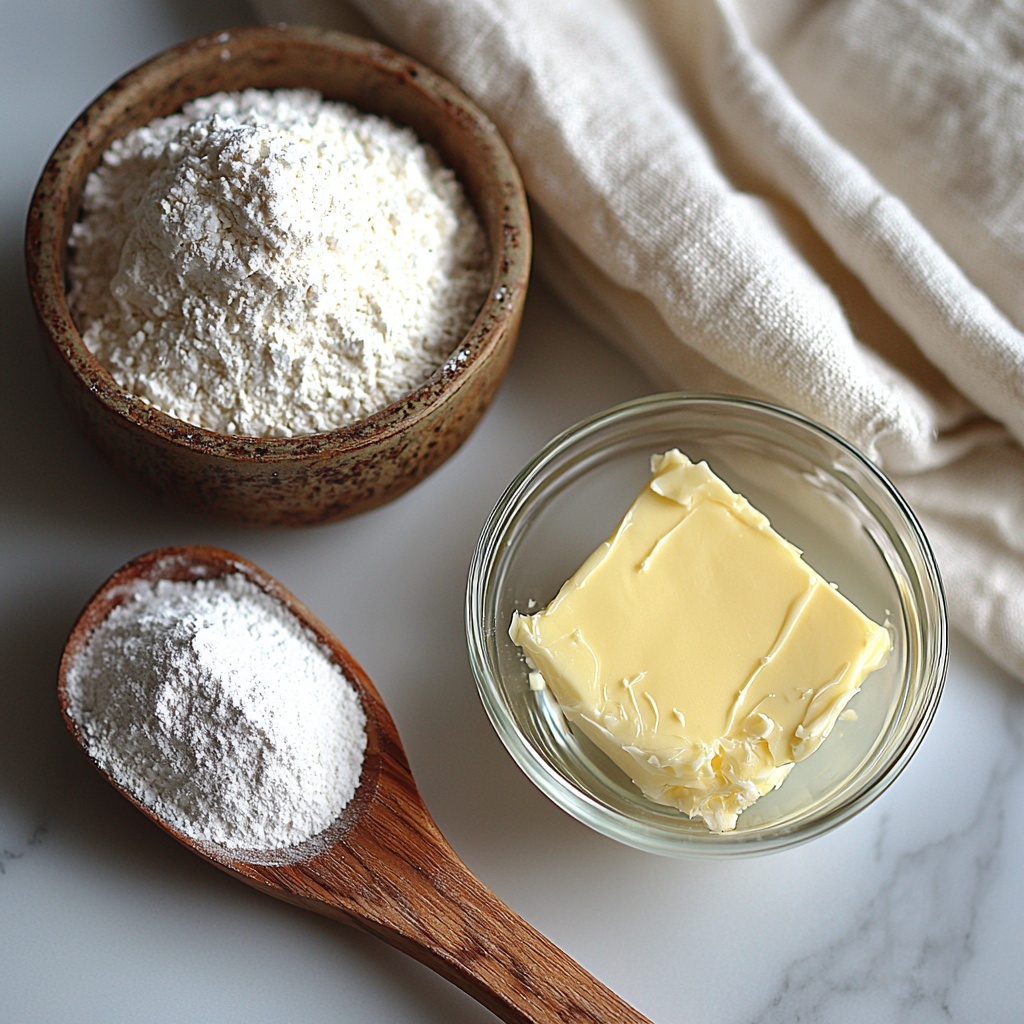
Ingredients You’ll Need
The beauty of this Spring Flower Shortbread Recipe lies in its simplicity, using just a handful of staple ingredients that come together to create pure magic. Each component plays a vital part: the butter for that melt-in-your-mouth softness, powdered sugar to add gentle sweetness and tenderness, and cake flour to keep the crumb delicate and light—plus a chance to add color for that eye-catching flower effect.
- Unsalted butter, 1 cup (227 g): Softened for easy creaming, butter provides richness and that classic shortbread melt.
- Powdered sugar, 1/2 cup + 3 tablespoons (86 g): Offers a smooth sweetness and helps keep the cookies tender rather than gritty.
- Cake flour, 2 1/4 cups (256 g): This finer flour ensures your cookies have a soft, delicate crumb perfect for shortbread.
How to Make Spring Flower Shortbread Recipe
Step 1: Cream the Butter and Powdered Sugar
Start by beating the softened unsalted butter and powdered sugar together until the mixture turns light and fluffy. This step is crucial because it builds the foundation of your shortbread’s texture—creaminess here means tender, meltaway cookies later. Make sure to scrape down the sides of the bowl so everything is mixed evenly.
Step 2: Incorporate the Cake Flour
Next, add the cake flour gradually while mixing on low speed. This prevents flour clouds and ensures the dough comes together smoothly. The dough will look slightly crumbly at first but keep mixing until it forms a cohesive ball. Cake flour helps keep the cookies soft and less dense, ideal for that delicate texture you’re craving.
Step 3: Divide and Tint the Dough
If you want to bring some color into your shortbread flowers, now is the time to divide the dough into portions and tint each with your favorite food coloring. Remember, just a drop or two goes a long way! After coloring, chill the dough in the fridge for 30 minutes. This resting time firms up the butter again, making the dough easier to handle and helping the cookies retain their shape while baking.
Step 4: Prepare to Bake
While the dough chills, preheat your oven to 350°F and line your baking sheets with parchment paper or a silicone baking mat. This prevents sticking and makes cleanup a breeze—two things we always appreciate in the kitchen!
Step 5: Roll the Dough into Balls
Once the dough is chilled, roll it into 1 teaspoon-sized balls. This precise size ensures even baking and a uniform look. For each flower, you’ll need one plain dough ball for the center, and six colored balls to form the petals around it, creating a charming floral design that’s as tasty as it is cute.
Step 6: Assemble the Flowers
Arrange your dough balls on the baking sheets by placing the plain ball in the center and the six colored balls radiating out like petals. This simple arrangement transforms your cookies from basic bites into adorable spring flowers bursting with color and personality.
Step 7: Bake the Shortbread
Bake the arranged cookies for 12 to 15 minutes until they’re just set and the edges start to look firm but not browned. Keep an eye on them—you want that perfect gentle bake that keeps the cookies tender and crumbly rather than crispy or hard.
Step 8: Cool Completely before Serving
Removing the cookies from the baking sheet too soon can cause them to break. Let them cool fully on the sheet so they firm up and hold their shape, then carefully transfer to a wire rack or plate. Once cooled, your spring flower shortbreads are ready to be admired and devoured!
How to Serve Spring Flower Shortbread Recipe
Garnishes
While these cookies are beautiful on their own, consider adding edible flower petals or a light dusting of powdered sugar for a whimsical touch that echoes the floral theme. A small drizzle of white chocolate can also enhance the elegance without overpowering the buttery flavor.
Side Dishes
Pair these shortbreads with a fresh cup of herbal tea, such as chamomile or mint, to complement their light texture. A scoop of lemon sorbet or a dollop of vanilla whipped cream can also add refreshing contrast, making this an ideal dessert combo for spring gatherings.
Creative Ways to Present
You can arrange the cookies on a tiered cake stand for a charming party centerpiece or package them in clear cellophane bags tied with pastel ribbons as delightful homemade gifts. For an interactive twist, provide plain dough and colored dough balls for guests to assemble their own flower cookies before baking.
Make Ahead and Storage
Storing Leftovers
Leftover Spring Flower Shortbread cookies keep beautifully in an airtight container at room temperature for up to one week. Store them between layers of parchment paper to prevent sticking or breakage, preserving their delicate texture and pretty colors.
Freezing
If you want to prepare ahead, you can freeze the unbaked assembled cookies on a baking sheet until solid, then transfer them to a zip-top freezer bag for up to 2 months. When ready to bake, no need to thaw—just add a few extra minutes to the baking time. Baked cookies can also be frozen tightly wrapped for up to 3 months.
Reheating
Shortbread tastes best fresh but if you need to warm them, pop the cookies in a low oven at 275°F for about 5 minutes to revive that just-baked warmth without drying them out. Avoid microwaving, which can make them soft or overly chewy.
FAQs
Can I use all-purpose flour instead of cake flour?
Yes, but your cookies will be slightly less tender and crumbly. To mimic cake flour, you can substitute by removing 2 tablespoons of all-purpose flour per cup and replacing it with cornstarch, then sift together for a softer texture.
What kind of food coloring works best for this recipe?
Gel or paste food coloring is preferred because it provides vibrant colors without thinning the dough. Liquid food coloring can be used but should be added sparingly to avoid altering the dough’s consistency.
Can I add flavor extracts to the dough?
Absolutely! A splash of vanilla extract is classic, but almond or lemon extracts also pair wonderfully with shortbread. Just add about 1 teaspoon when creaming the butter and sugar.
Is it necessary to chill the dough?
Yes, chilling firms up the butter, making the dough easier to shape and helping the cookies maintain their flower design during baking. Skipping this step can lead to spreading and a loss of definition.
How do I prevent the cookies from browning too much?
Keep a close eye during baking and remove them as soon as they’re set with just the faintest color on the edges. Using parchment paper or silicone mats also helps promote even baking without over-browning.
Final Thoughts
There’s so much joy packed into the Spring Flower Shortbread Recipe—from mixing the buttery dough to rolling those colorful little balls and watching your flowers bloom in the oven. Each bite brings that classic shortbread comfort with a fresh, lively presentation perfect for any season, especially spring. I encourage you to gather your ingredients, channel your inner baker, and make these charming treats that will brighten your kitchen and sweeten your day.
Print
Spring Flower Shortbread Recipe
- Prep Time: 15 minutes
- Cook Time: 15 minutes
- Total Time: 42 minutes
- Yield: 14 servings
- Category: Dessert
- Method: Baking
- Cuisine: American
Description
Delightfully buttery and tender, these Spring Flower Shortbread cookies are a charming treat perfect for any occasion. With a simple dough enriched with cake flour, these cookies hold their shape beautifully and can be tinted to create colorful flower shapes that bring a touch of spring to your table.
Ingredients
Shortbread Dough
- 1 cup (227 g) unsalted butter, softened
- 1/2 cup + 3 tablespoons (86 g) powdered sugar
- 2 1/4 cups (256 g) cake flour
Instructions
- Cream butter and sugar: In a large mixing bowl, beat the softened unsalted butter and powdered sugar together until the mixture is light and fluffy, ensuring the sugar is fully incorporated for a smooth texture.
- Add flour and form dough: Thoroughly scrape down the sides of the bowl to combine any stuck ingredients, then gradually add the cake flour while mixing on low speed until a cohesive dough forms. Avoid overmixing to keep the dough tender.
- Divide and tint dough: Separate the dough into portions as desired. If you want to create colored flowers, add food coloring to each portion and knead gently until the color is evenly distributed. Wrap and chill the dough in the refrigerator for 30 minutes to firm up.
- Prepare for baking: Preheat your oven to 350°F (175°C) and line baking sheets with parchment paper or silicone baking mats to prevent sticking and promote even baking.
- Shape dough balls: Roll the chilled dough into small balls slightly less than 1 teaspoon in size. These will form the petals and centers of the flower shapes.
- Assemble flower shapes: Place one plain dough ball in the center of the baking sheet as the flower’s center. Arrange six colored balls around this center ball to form petals, gently pressing slightly to hold the formations together.
- Bake the shortbread: Bake the assembled flower cookies in the preheated oven for 12 to 15 minutes, or until the edges are just set and the cookies are firm to the touch but not browned.
- Cool and serve: Remove the baking sheets from the oven and allow the cookies to cool completely on the sheet to maintain their shape before carefully transferring them to a wire rack or plate.
Notes
- Use cake flour for a tender, delicate texture instead of all-purpose flour.
- Chilling the dough is essential to prevent spreading and helps in easy handling.
- Adjust food coloring amounts for desired intensity; gel colors work best.
- Store cookies in an airtight container at room temperature for up to one week.
- For a gluten-free version, substitute cake flour with a gluten-free flour blend designed for baking.