“`html
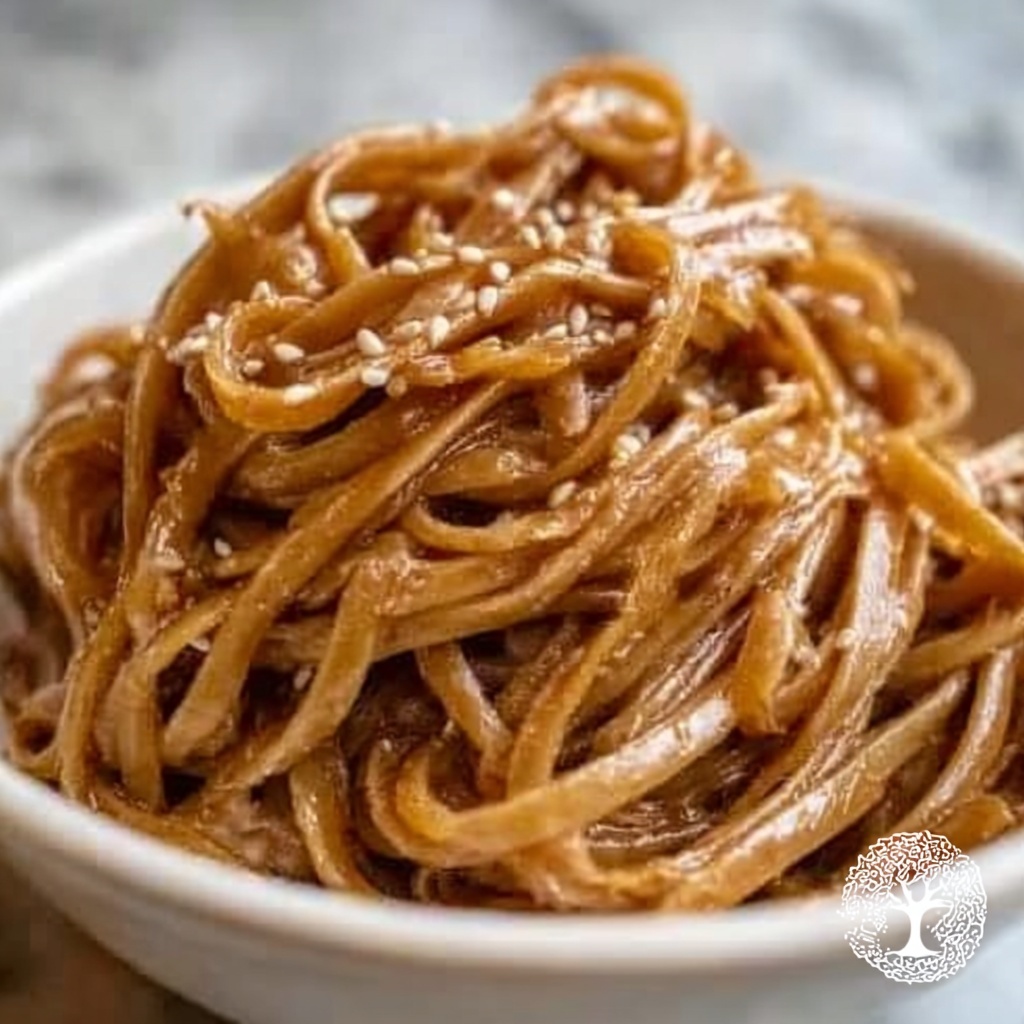
If you’re craving a quick, flavorful dish that brings the sizzle and savory satisfaction of your favorite Japanese steakhouse right to your kitchen, then this Hibachi Noodles Recipe is exactly what you need. With tender noodles coated in a rich blend of garlic, butter, soy, and teriyaki sauce, every bite is a delightful harmony of sweet, salty, and umami flavors. Whether you’re whipping it up as a weeknight dinner or serving it alongside grilled veggies and protein, these noodles promise to become an irresistible staple in your meal rotation.
Ingredients You’ll Need
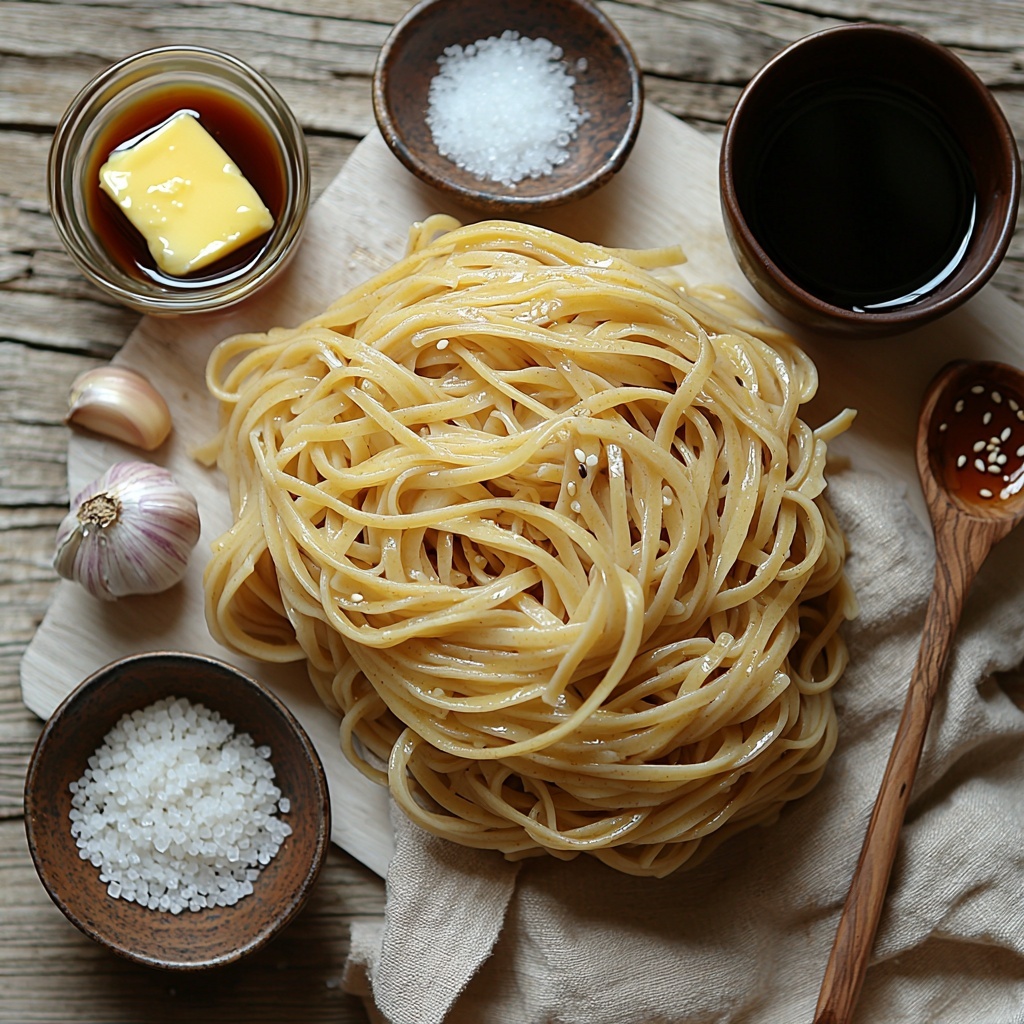
This Hibachi Noodles Recipe comes together with a handful of simple but essential ingredients, each one playing a crucial role in building that authentic, mouthwatering flavor and perfect texture that makes hibachi noodles so beloved. From the buttery richness to that slightly sweet soy-teriyaki glaze, everything works in harmony to create something truly special.
- 1 lb. linguine or noodles/pasta of choice: Cooked al dente to provide the perfect chewy base for the sauce to cling to.
- 3 tablespoons butter: Adds a rich, creamy texture and carries the garlic’s flavor beautifully.
- 1 tablespoon garlic, minced: Infuses the dish with a warm, fragrant aroma that sets the tone.
- 3 tablespoons sugar: Balances the savory and salty notes with a subtle, caramelized sweetness.
- 4 tablespoons soy sauce: Brings that classic salty, umami punch essential to hibachi flavor.
- 1 tablespoon teriyaki sauce: Adds a glossy finish and a touch of complexity with its sweet and tangy notes.
- Salt and pepper, to taste: Enhances all the flavors without overpowering the dish.
- 1 tablespoon sesame oil: Drizzled at the end for a nutty richness and aromatic lift.
- 1 tablespoon sesame seeds (optional): Provides a delightful crunch and pretty garnish to finish.
How to Make Hibachi Noodles Recipe
Step 1: Melt the Butter and Sauté Garlic
Start by heating a skillet over medium-high heat and melting your butter until it’s bubbly and fragrant. This warm, buttery base is where your minced garlic will shine, so toss it in and sauté until you can smell that irresistible garlic aroma filling your kitchen. This step is crucial because it infuses the oil with deep flavor that will spread evenly through the noodles.
Step 2: Add and Coat the Noodles
Once your garlic is perfectly fragrant, it’s time to add the cooked linguine or noodles to the skillet. Make sure your noodles are cooked al dente because they’ll finish cooking in the skillet, soaking up the flavors without becoming mushy. Toss and stir the noodles well so every strand gets coated with that buttery garlic goodness.
Step 3: Stir in the Sauces and Sugar
Now comes the magic: add the sugar, soy sauce, and teriyaki sauce to your noodles. These three ingredients combine to create the signature sweet-savory glaze that defines a great hibachi noodles dish. Keep stirring until the noodles are evenly coated and glistening with flavor. This is where the noodles truly come alive.
Step 4: Season and Finish with Sesame Oil
Season your noodles with salt and pepper to bring out all those complex flavors further. Then, remove the skillet from the heat and drizzle the sesame oil over the noodles. This finishing touch adds a rich, nutty aroma and depth that ties the whole dish together beautifully.
Step 5: Garnish and Serve
If you want to add a little extra flair, sprinkle toasted sesame seeds on top for a mild crunch and an appealing look. Serve your hibachi noodles piping hot and watch them disappear!
How to Serve Hibachi Noodles Recipe
Garnishes
Garnishing Hibachi Noodles Recipe with toasted sesame seeds adds a delicate crunch and a lovely visual appeal. You can also add thinly sliced green onions for a pop of color and a fresh, sharp bite. A few red pepper flakes can bring a subtle, exciting heat if you enjoy spice.
Side Dishes
Hibachi noodles pair wonderfully with grilled vegetables like zucchini, mushrooms, and bell peppers, giving a vibrant and healthy balance to the meal. Add some seared steak, chicken, or shrimp for protein lovers, and you instantly have a complete, restaurant-quality dinner at home.
Creative Ways to Present
Try serving your hibachi noodles in individual cast iron skillets or on sizzling plates for that authentic hibachi vibe. Layering the noodles under a bed of steamed or stir-fried veggies creates a colorful, textured plate that excites both the eyes and palate. For a fun twist, use the noodles as a base for a noodle bowl with a variety of your favorite toppings.
Make Ahead and Storage
Storing Leftovers
Store any leftover hibachi noodles in an airtight container in the refrigerator for up to 3 days. The noodles tend to soak up the sauce as they sit, so they might be a bit more intense in flavor when reheated.
Freezing
Freezing hibachi noodles is not highly recommended since the texture of the noodles can degrade and become mushy upon thawing. If you must freeze, double wrap in freezer-safe bags and consume within one month for best quality.
Reheating
For reheating, gently warm the noodles in a skillet over medium-low heat, adding a splash of water or soy sauce to loosen the sauce and revive their glossy texture. Avoid microwaving unless you’re in a pinch, as it can dry the noodles out unevenly.
FAQs
Can I use other types of noodles for this recipe?
Absolutely! While linguine is recommended for its texture, you can substitute with thin spaghetti, ramen noodles, or even rice noodles depending on your preference and availability.
Is this Hibachi Noodles Recipe vegetarian-friendly?
Yes, this recipe is naturally vegetarian as it doesn’t contain any meat or fish ingredients. Just double-check your soy and teriyaki sauces for any animal-based additives if you want to keep it strictly vegetarian or vegan.
How can I add protein to this dish?
Adding grilled chicken, shrimp, steak, or tofu is an easy way to turn this noodle dish into a complete meal. Simply cook your protein separately and toss it together with the noodles before serving.
What makes hibachi noodles different from regular stir-fried noodles?
Hibachi noodles are typically simpler with fewer ingredients, focusing on butter, garlic, soy, and teriyaki sauces to highlight the noodles themselves. The flavor is rich yet straightforward, often cooked quickly over high heat for that signature hibachi taste.
Can I prepare this Hibachi Noodles Recipe ahead of time?
You can cook the noodles and sauce separately, then combine them just before serving to maintain the freshest texture and flavor. Avoid tossing everything together too early as the noodles absorb sauces and can become soggy.
Final Thoughts
I genuinely hope you find joy in making and sharing this Hibachi Noodles Recipe as much as I do. It’s one of those comforting dishes that feels like a warm hug after a long day, yet simple enough to whip up anytime. Give it a try, and soon enough, these noodles might just become your go-to favorite for busy weeknights or casual get-togethers.
“`
Print
Hibachi Noodles Recipe
- Prep Time: 5 minutes
- Cook Time: 15 minutes
- Total Time: 20 minutes
- Yield: 4 servings
- Category: Side Dish
- Method: Stovetop
- Cuisine: Japanese
- Diet: Vegetarian
Description
This Hibachi Noodles recipe offers a quick and flavorful way to enjoy a classic Japanese steakhouse-style noodle dish at home. Tender linguine noodles are sautéed in a savory blend of garlic, butter, soy sauce, and teriyaki sauce, then finished with a touch of sesame oil and optional sesame seeds for garnish. Ready in just 20 minutes, it’s a perfect side or main that pairs beautifully with grilled meats or vegetables.
Ingredients
Noodles
- 1 lb. linguine or noodles/pasta of choice, cooked al dente
Sauce and Flavorings
- 3 tablespoons butter
- 1 tablespoon garlic, minced
- 3 tablespoons sugar
- 4 tablespoons soy sauce
- 1 tablespoon teriyaki sauce
- Salt and pepper, to taste
- 1 tablespoon sesame oil
- 1 tablespoon sesame seeds (optional, for garnish)
Instructions
- Prepare the Butter and Garlic: In a skillet over medium-high heat, melt the butter until it is fully liquid and starting to bubble slightly, then add the minced garlic and sauté for about 30 seconds to 1 minute until fragrant but not browned.
- Add Noodles: Add the cooked linguine noodles directly to the skillet and toss to coat them evenly with the garlic butter mixture, ensuring all strands are well coated.
- Mix in Sauces and Sugar: Stir in the sugar, soy sauce, and teriyaki sauce thoroughly, mixing continuously so that the noodles are evenly coated with the savory-sweet sauce blend.
- Season: Taste the noodles and season with salt and pepper according to your preference, keeping in mind that soy sauce is already salty.
- Finish with Sesame Oil: Remove the skillet from heat and immediately drizzle the sesame oil over the noodles, gently tossing to distribute the aromatic oil evenly without cooking it further.
- Garnish and Serve: Transfer the noodles to serving plates or a bowl, sprinkle with sesame seeds if desired, and serve hot for best flavor and texture.
Notes
- Cook the linguine noodles al dente to prevent them from becoming mushy when sautéed.
- Adjust the sugar amount to your taste if you prefer a sweeter or less sweet dish.
- For a gluten-free version, use gluten-free noodles and soy sauce alternatives such as tamari.
- This dish pairs well with grilled chicken, shrimp, or mixed vegetables for a complete meal.
- Sesame seeds add a nice crunch and nutty flavor but are optional.
- To make it vegetarian, ensure the soy sauce and teriyaki are free from animal products.