

If you adore the rich flavors of artisan bread with a flavorful twist, this Pesto Parmesan Sourdough Bread Recipe is going to be your new kitchen hero. Imagine a crusty, golden sourdough loaf infused with vibrant basil pesto and sharp, nutty Parmesan cheese, creating a perfect harmony between tangy, herbaceous, and savory notes with each bite. It’s a beautifully rustic bread that pairs wonderfully with soups, salads, or just a drizzle of olive oil, and once you try baking it at home, it’s hard to go back to plain bread ever again.
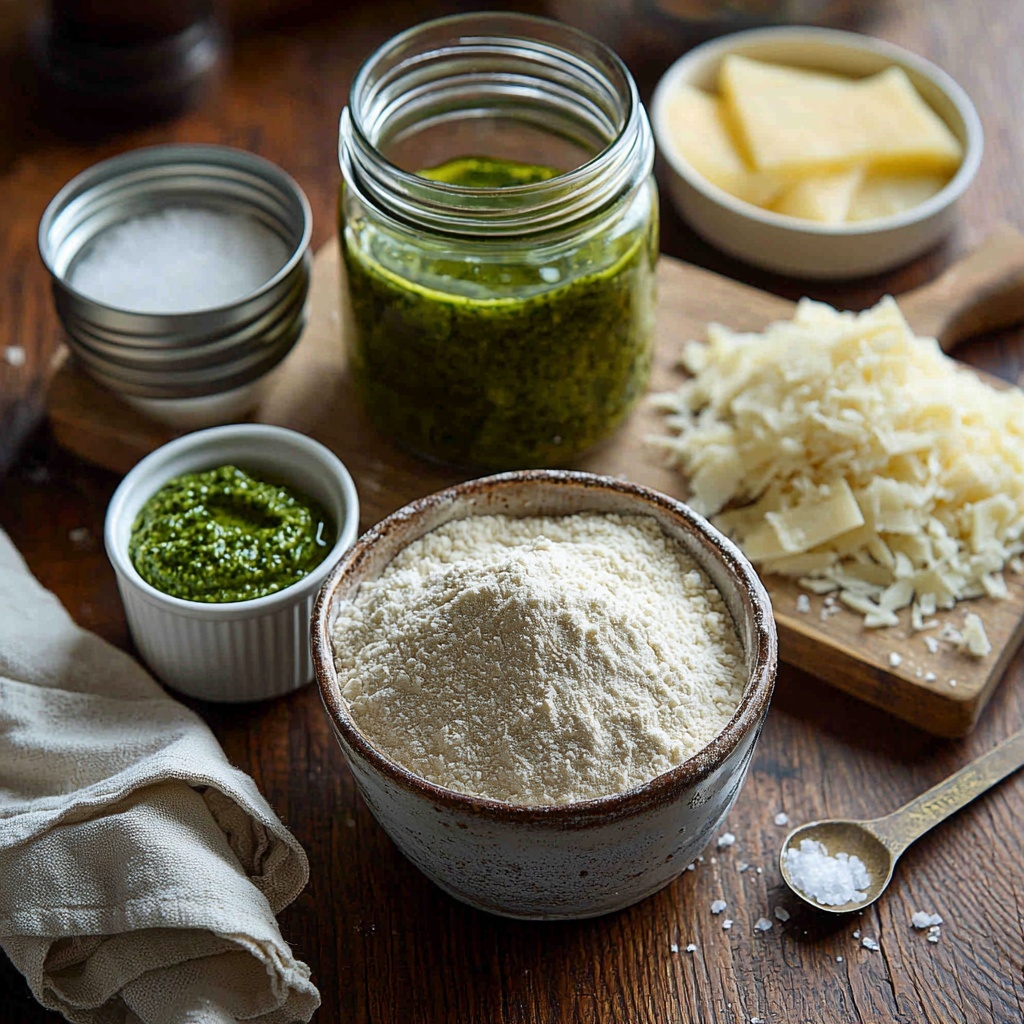
Ingredients You’ll Need
Getting the ingredients right is a breeze but absolutely crucial to nailing this bread’s signature character. Each component, from the robust bread flour to the fresh pesto and sharp Parmesan, plays a vital role in texture, flavor, and color. Here’s what you’ll want to gather:
- Bread flour (500g): The high protein content ensures a chewy, structured crumb perfect for sourdough.
- Active sourdough starter (100g): This natural leavening agent brings tang and aeration essential to sourdough’s signature rise.
- Water (350ml): Hydrates the dough to create an open crumb while activating gluten development.
- Salt (10g): Enhances flavor and strengthens the dough’s gluten network for better texture.
- Basil pesto (1/2 cup): Adds an aromatic, fresh, and vibrant burst of herbaceous richness.
- Grated Parmesan cheese (1/2 cup): Brings a savory, nutty depth that beautifully complements the pesto.
How to Make Pesto Parmesan Sourdough Bread Recipe
Step 1: Mix and Rest
Begin by combining the bread flour, water, and active sourdough starter in a large mixing bowl until just mixed. This initial mix doesn’t need to be perfect—just enough to bring everything together. Allow the dough to rest undisturbed for 30 minutes for the autolyse phase, which helps hydrate the flour and kickstarts gluten development naturally.
Step 2: Add Salt and Combine
Once the dough has rested, sprinkle in the salt and mix thoroughly. Salt is vital here; it balances flavor and tightens the gluten network, improving both the bread’s structure and taste. Make sure the salt is evenly distributed through the dough for consistent seasoning.
Step 3: Stretch and Fold for Strength
Over the next two hours, perform stretch and folds every 30 minutes. This technique gently strengthens the dough by aligning gluten strands without aggressive kneading. Each fold helps trap air and build elasticity, creating the hallmark open crumb and chewy texture sourdough lovers adore.
Step 4: Incorporate Pesto and Parmesan
After the final fold, turn the dough onto a floured surface. Spread the basil pesto evenly over the dough, then sprinkle the grated Parmesan on top. Fold the dough over itself to incorporate these flavorful elements without losing all the lovely air bubbles inside.
Step 5: Shape and Proof Overnight
Shape the dough into a tight ball and place it into a well-floured banneton basket to proof. Cover the dough and pop it into the refrigerator to ferment slowly overnight for 8 to 12 hours. This long, cool proof enhances flavor complexity and makes the dough easier to handle when baking.
Step 6: Bake to Golden Perfection
Heat your oven to 475°F (245°C) and place a Dutch oven inside to get it blazing hot. Carefully transfer your dough onto parchment paper, score the top to allow for expansion, then place it inside the preheated Dutch oven. Bake covered for 20 minutes, then remove the lid and bake for another 25 minutes until the crust turns a stunning golden brown. Let the bread cool completely on a wire rack before slicing to preserve the crumb’s texture.
How to Serve Pesto Parmesan Sourdough Bread Recipe
Garnishes
To elevate your bread presentation, consider a light brush of olive oil on the crust just after baking to add shine and subtle richness. A sprinkle of flaky sea salt or extra grated Parmesan can amp up the flavor for those who crave a little more savory punch right on the crust. Fresh basil leaves scattered on the serving plate create a pretty, aromatic touch.
Side Dishes
Pesto Parmesan sourdough pairs amazingly with simple but flavorful sides. Think roasted tomato soup, a fresh arugula salad with lemon vinaigrette, or even a creamy mushroom ragù. The herbal and cheesy elements of the bread complement bold, fresh, or earthy dishes perfectly, making it a versatile star at the table.
Creative Ways to Present
For a special occasion, slice the bread thick and toast it lightly before topping with fresh tomato slices, mozzarella, and a drizzle of balsamic glaze for an impromptu bruschetta. Alternatively, use this pesto Parmesan sourdough as the base for a gourmet grilled cheese sandwich, pairing it with caramelized onions and crispy prosciutto for luxury in every bite.
Make Ahead and Storage
Storing Leftovers
Leftover pesto Parmesan sourdough bread stays best when wrapped tightly in a clean kitchen towel or stored in a cloth bread bag to maintain its crust. Keep it at room temperature, and it should stay fresh and tasty for up to three days. Avoid plastic bags as they trap moisture and soften the crust.
Freezing
If you want to save some for later, slice the bread before freezing. Wrap the slices tightly in plastic wrap and place in a freezer-safe bag. This way, you can grab a few slices at a time for quick thawing without sacrificing flavor or texture, preserving the pesto and Parmesan goodness for weeks.
Reheating
To bring back freshly baked warmth and crispy crust, reheat slices in a toaster oven or conventional oven at 350°F (175°C) for 5 to 7 minutes. Avoid microwaving as it tends to make the bread chewy rather than crusty. A quick toast also revives the aromatic qualities of the pesto and cheese nicely.
FAQs
Can I use store-bought pesto for this recipe?
Absolutely! While homemade pesto can offer a fresher taste, a good quality store-bought pesto works perfectly for this recipe, infusing your sourdough with plenty of basil flavor.
What if I don’t have a banneton basket?
No worries! You can line a regular bowl with a well-floured kitchen towel to proof your dough, giving it enough shape support during fermentation.
Can I substitute Parmesan cheese with another cheese?
Yes, but Parmesan’s sharp, nutty character is a key part of the flavor profile here. Pecorino Romano makes a fine substitute, while milder cheeses may change the taste considerably.
How tangy will this sourdough bread be?
The tanginess depends heavily on your starter’s strength and fermentation time. This recipe’s overnight cold proof yields a moderate tang that balances beautifully with the pesto and Parmesan flavors.
Is it possible to add other herbs or ingredients?
Definitely! Fresh rosemary, thyme, or even sun-dried tomatoes can be folded in with the pesto and cheese for a personalized twist on this delicious Pesto Parmesan Sourdough Bread Recipe.
Final Thoughts
Baking the Pesto Parmesan Sourdough Bread Recipe is like filling your home with warmth and welcoming, savory aromas that invite everyone to gather. The combination of tangy sourdough, fresh pesto, and nutty Parmesan creates a bread that’s bursting with personality and impossible to resist. Once you try making this recipe, you’ll find it’s a delightful new staple in your baking repertoire, perfect for sharing or enjoying any time of day. Give it a shot—you’ll be so glad you did!
Print
Pesto Parmesan Sourdough Bread Recipe
- Prep Time: 15 minutes (mixing and autolyse) + 2 hours (stretch and folds) + 5 minutes (final shaping and spreading pesto and cheese)
- Cook Time: 45 minutes
- Total Time: 3 hours 5 minutes active time + 8-12 hours overnight refrigerating (proofing)
- Yield: 12 servings
- Category: Bread
- Method: Baking
- Cuisine: Italian-inspired
Description
This Pesto Parmesan Sourdough is a flavorful and aromatic artisan bread featuring a crispy crust and tender crumb enhanced with fresh basil pesto and grated parmesan cheese. Perfect for sandwiches or as a savory snack, this recipe combines traditional sourdough fermentation with the vibrant taste of Italian ingredients.
Ingredients
Dough
- 500g bread flour
- 100g active sourdough starter
- 350ml water
- 10g salt
Flavor Additions
- 1/2 cup basil pesto
- 1/2 cup grated parmesan cheese
Instructions
- Mix and Autolyse: In a mixing bowl, combine the bread flour, water, and active sourdough starter until just mixed to form a shaggy dough. Let it rest for 30 minutes to allow flour hydration, enabling gluten development.
- Add Salt: After the autolyse, add 10g of salt to the dough and mix thoroughly until evenly distributed.
- Stretch and Fold: Perform a series of gentle stretch and folds every 30 minutes over a 2-hour period to develop the gluten network and strengthen the dough.
- Incorporate Flavors: After the last fold, turn the dough out onto a floured surface. Spread the basil pesto evenly over the dough, sprinkle with grated parmesan cheese, and fold the dough over itself to incorporate the flavors and fillings.
- Shape and Proof: Shape the dough into a tight ball and place it seam side up in a floured banneton basket. Cover it and refrigerate overnight for an extended proof, enhancing fermentation and flavor complexity.
- Preheat Oven and Dutch Oven: Preheat your oven to 475°F (245°C) for at least 30 minutes with a Dutch oven inside to ensure it is thoroughly heated for baking.
- Prepare for Baking: Carefully transfer the proofed dough onto a piece of parchment paper. Score the top with a sharp blade to allow controlled expansion during baking.
- Bake Covered: Place the dough inside the preheated Dutch oven, cover, and bake for 20 minutes. This steamy environment helps develop a crispy crust.
- Bake Uncovered: Remove the lid and bake for another 25 minutes until the crust is a deep golden brown and fully baked through.
- Cool: Remove the bread from the oven and place it on a wire rack to cool completely before slicing to preserve crumb structure.
Notes
- Using a well-active sourdough starter is crucial for proper fermentation.
- Performing stretch and folds gently avoids tearing the dough while strengthening the gluten.
- Ensure the Dutch oven is thoroughly preheated to replicate a professional steam environment.
- Cooling the bread fully before slicing helps maintain crumb texture and prevents gumminess.
- The refrigeration proof can be extended up to 12 hours but not much longer to avoid over-fermentation.