
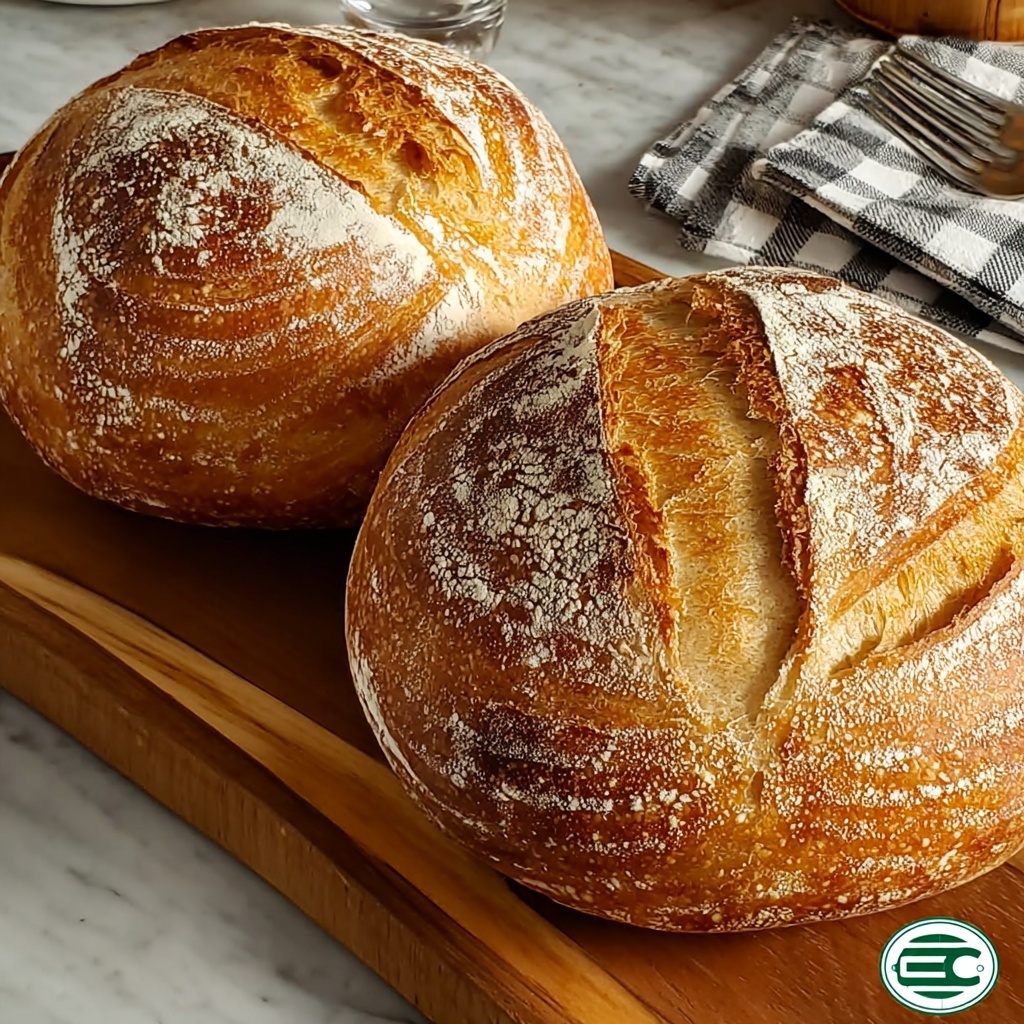
Nothing quite warms the heart and kitchen like freshly baked bread, and this Rustic German Bread Recipe is a true testament to that cozy feeling. With a perfect crust that’s both golden and crisp, and a tender crumb inside, this bread brings the comforting flavors of traditional German baking right into your home. It’s simplicity at its finest—minimal ingredients that come together in a way that feels timeless and utterly satisfying. Whether you’re a seasoned baker or just starting out, this recipe delivers a rewarding experience alongside delicious results that will have you reaching for seconds.
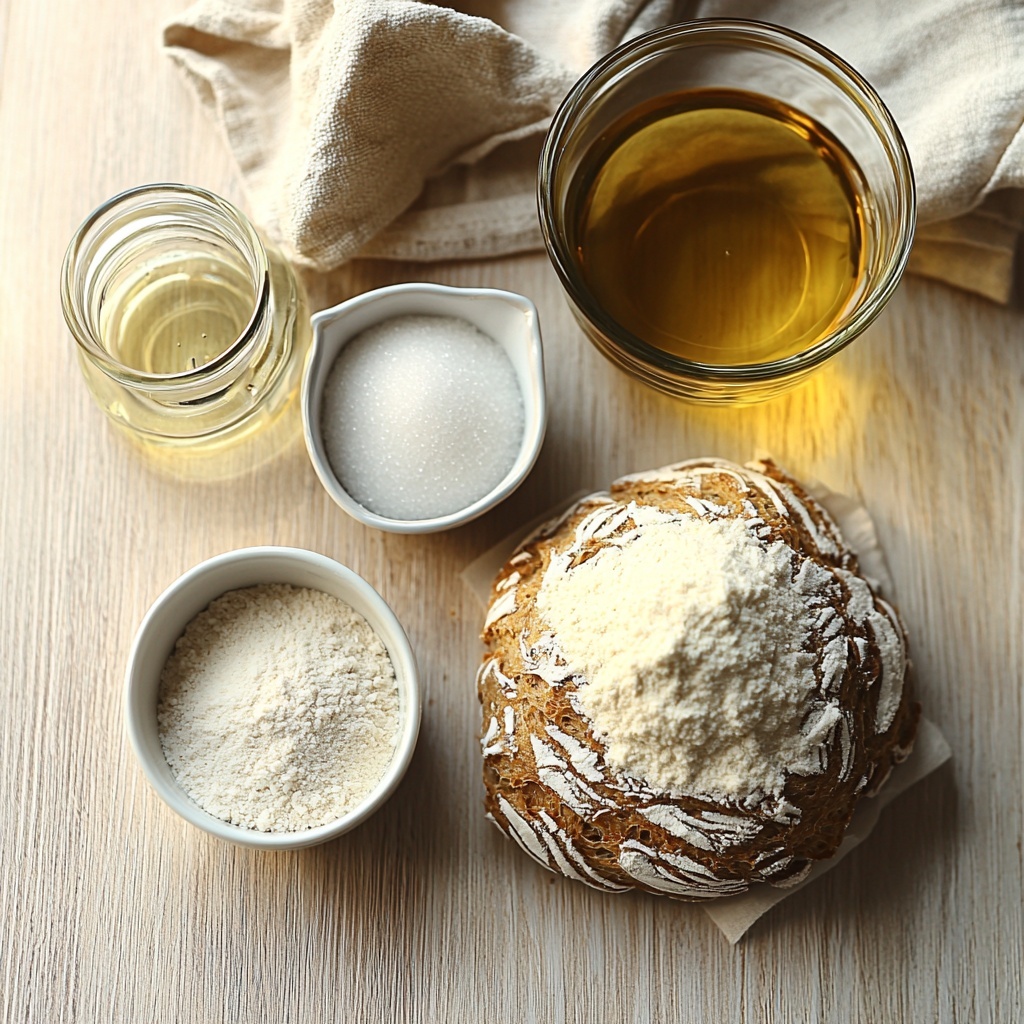
Ingredients You’ll Need
This Rustic German Bread Recipe relies on a handful of straightforward ingredients that each play a key role in creating the bread’s wonderful texture and flavor. Gathering these essentials is the first step toward a loaf that’s both rustic and irresistibly fresh.
- 350 ml water (room temperature): The perfect warmth helps activate the yeast without killing it, ensuring your dough rises beautifully.
- 1 tablespoon sugar: A little sweetness gives the yeast a kickstart and balances the bread’s flavor.
- 8 grams dry yeast: This is your magic ingredient for that classic rise, airy crumb, and the best possible texture.
- 25 ml sunflower oil: Adds moisture and tenderness without overpowering the bread’s natural taste.
- 500 grams flour (plus extra for dusting): The foundation of the bread, giving structure and that rustic bite we all love.
How to Make Rustic German Bread Recipe
Step 1: Yeast Activation
Start by pouring 350 ml of room temperature water into a large bowl. Add 1 tablespoon of sugar along with 8 grams of dry yeast, then gently stir until everything dissolves. Cover the bowl and let it sit for about 5 minutes. You’ll know it’s ready when the surface becomes frothy—this shows the yeast is happily waking up and eager to work its magic.
Step 2: Add Oil and Flour
Once your yeast mixture is nice and bubbly, it’s time to add 25 ml of sunflower oil. This addition keeps the bread soft and moist. Then, sift in the flour gradually, stirring as you go. The texture will start to come together into a sticky dough, promising that perfect rustic crumb.
Step 3: First Rise
Cover the dough with a clean cloth and set it in a warm spot. Patience is key here—let it rise for about 1 hour, or until it has doubled in size. This is where the dough becomes airy and light, setting the stage for a magnificent loaf.
Step 4: Second Mixing
After that initial rise, gently stir the dough to release any trapped air. Cover it again and let it rest for another 30 minutes. This rest period lets the gluten develop richly, which contributes to the bread’s classic rustic texture.
Step 5: Shape the Dough
Lightly dust your workspace with flour and roll the dough into a rectangle shape. Fold it a few times, then let it rest for 10 minutes. At this point, you can shape the dough into your preferred form—a loaf, a boule, or even rolls. This is your moment to get creative with presentation while keeping things authentically rustic.
Step 6: Final Shaping and Baking
Place your shaped dough on a lined baking tray. Using a sharp knife, make decorative slashes across the surface—this adds to the rustic charm while allowing steam to escape during baking. Preheat your oven to 230°C (446°F) and pop the bread in for 30 to 40 minutes, watching as it turns a glorious golden brown.
Step 7: Cool and Serve
Once baked, remove your bread from the oven and let it cool on a wire rack. This prevents sogginess and keeps the crust perfectly crisp. The Rustic German Bread Recipe is wonderful both warm, with its inviting aroma filling your kitchen, or at room temperature, making it an all-day delight.
How to Serve Rustic German Bread Recipe
Garnishes
This bread shines with just a simple spread of good butter, but you can also experiment with rustic garnishes like coarse sea salt, fresh smashed garlic, or a drizzle of high-quality olive oil. Adding herbs like rosemary or thyme alongside these toppings accentuates the bread’s earthy charm.
Side Dishes
Serve this Rustic German Bread Recipe alongside hearty soups like lentil or potato leek, or pair with creamy cheeses and cold cuts for a classic European-inspired snack platter. Its firm crust holds up well to dips and stews, making it an ideal companion for many meals.
Creative Ways to Present
Try using this bread as a base for an open-faced sandwich topped with smoked salmon, fresh cucumber, and lemon zest. Alternatively, slice it thick and toast to serve with homemade preserves or honey. Its rustic appeal makes every bite feel like a cozy, handcrafted experience.
Make Ahead and Storage
Storing Leftovers
If you have any leftover bread, keep it in a paper bag or a cloth bread bag at room temperature to maintain its crustiness. Avoid plastic bags which trap moisture and soften the crust. Proper storage keeps your Rustic German Bread Recipe tasting fresh for up to two days.
Freezing
This bread freezes beautifully! Slice it first for convenient portions, then place the slices in a freezer-safe bag. When you want a quick snack, just take out the number of slices you need—perfect for busy days or unexpected guests.
Reheating
To revive the bread’s crispy crust after storage or freezing, pop it in a preheated oven at 180°C (350°F) for 5 to 10 minutes. This simple step brings back that delightful crunch and fresh-baked aroma that defines the Rustic German Bread Recipe.
FAQs
Can I use whole wheat flour instead of regular flour?
Yes, whole wheat flour can be used, but it will result in a denser loaf with a nuttier flavor. You might want to start by substituting half the all-purpose flour with whole wheat to maintain a lighter texture.
Do I need a bread machine to make this recipe?
Not at all! This Rustic German Bread Recipe is designed to be simple and hands-on. Just a bowl, some patience, and a bit of elbow grease will get you a fantastic loaf without special equipment.
How can I tell when the bread is fully baked?
The crust should be a deep golden brown and sound hollow when tapped on the bottom. If you have a kitchen thermometer, the internal temperature should reach about 93°C (200°F).
Can I add seeds or nuts to the dough?
Absolutely! Adding sunflower seeds, flaxseeds, or chopped nuts adds wonderful texture and flavor. Just fold them in during the second mixing step before shaping the dough.
Is it okay to use warm water instead of room temperature?
Using warm water can help speed up yeast activation, but be careful not to make it too hot as it can kill the yeast. Lukewarm water around 37°C (98°F) is ideal if you want to accelerate the rising process.
Final Thoughts
Embracing the art of baking with this Rustic German Bread Recipe is like inviting a little warmth and tradition into your kitchen. It’s straightforward, rewarding, and offers a slice of comfort with every bite. I can’t recommend enough giving this recipe a go—it’s a wonderful way to enjoy fresh, homemade bread and maybe even start a new baking ritual you’ll cherish for years.
Print
Rustic German Bread Recipe
- Prep Time: 10 minutes
- Cook Time: 30-40 minutes
- Total Time: 1 hour 45 minutes
- Yield: 1 loaf (serves approximately 8 slices)
- Category: Bread
- Method: Baking
- Cuisine: German
Description
This Rustic German Bread recipe offers a simple yet authentic way to bake a hearty, crusty loaf at home. Using basic ingredients like flour, yeast, water, and sunflower oil, this bread features a traditional slow fermentation to develop flavor and texture, resulting in a golden-brown crust and soft interior perfect for sandwiches or toast.
Ingredients
Wet Ingredients
- 350 ml water (room temperature)
- 25 ml sunflower oil
Dry Ingredients
- 1 tablespoon sugar
- 8 grams dry yeast
- 500 grams flour (plus extra for dusting)
Instructions
- Yeast Activation: In a large bowl, pour 350 ml of room temperature water. Add 1 tablespoon of sugar and 8 grams of dry yeast. Stir gently until the yeast and sugar are dissolved, cover the bowl, and let it sit in a warm place for about 5 minutes until the mixture becomes frothy, indicating that the yeast is active.
- Add Oil and Flour: To the yeast mixture, add 25 ml of sunflower oil. Gradually sift in the 500 grams of flour while stirring continuously to combine all ingredients into a sticky dough.
- First Rise: Once the dough forms, cover it tightly and place it in a warm area. Let it rise undisturbed for about 1 hour or until it has doubled in size. This fermentation process develops flavor and gives the bread its airy texture.
- Second Mixing: After the first rise, gently stir the dough to release trapped air bubbles, then cover it again. Let it rest for another 30 minutes; this resting period helps gluten development which improves dough elasticity.
- Shape the Dough: Lightly dust a clean surface with flour. Transfer the dough onto it and roll it into a rectangle shape. Fold the dough gently and allow it to rest for 10 minutes. Then, shape the dough into your preferred form—loaf, round boule, or rolls.
- Final Shaping and Baking: Place the shaped dough on a baking tray lined with parchment paper. Use a sharp knife to make decorative slashes on the surface of the dough. Preheat your oven to 230°C (446°F) and bake the bread for 30 to 40 minutes or until it achieves a golden-brown crust and sounds hollow when tapped at the bottom.
- Cool and Serve: Remove the bread from the oven and transfer it to a wire rack to cool completely. Serve warm or at room temperature for best flavor and texture.
Notes
- Ensure the water is not too hot, as it may kill the yeast; room temperature is ideal.
- If you want a crispier crust, place a small oven-safe pan with water below the baking tray to create steam during baking.
- You can substitute sunflower oil with olive oil for a richer flavor.
- Allow the bread to cool fully to avoid a gummy texture inside.
- Store leftover bread in an airtight container or freeze for up to 3 days.