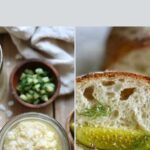
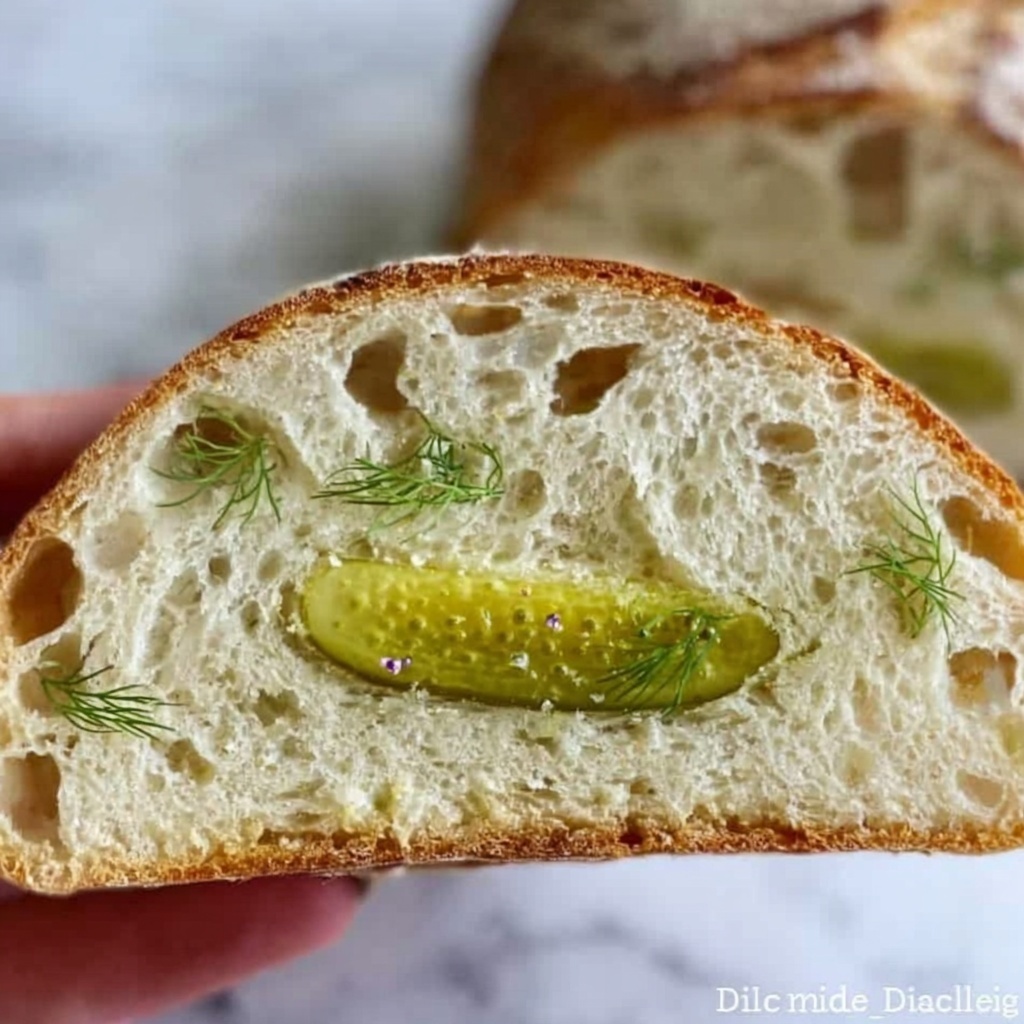
If you adore the bright, savory zing of pickles paired with the comforting tang of sourdough, you’re in for a real treat with this Tangy Dill Pickle Sourdough Bread Recipe. This loaf marries crisp, refreshing dill pickle flavors with the deep, satisfying chew of artisanal sourdough, creating a bread that bursts with personality and perfect for any sandwich or snack. Each bite delivers a delightful mix of tangy pickle brine, fresh dill, and the earthy goodness of whole wheat flour, making it a fun twist on classic sourdough that’s sure to impress. Once you try baking this at home, it might just become your new go-to favorite loaf to share with friends and family.
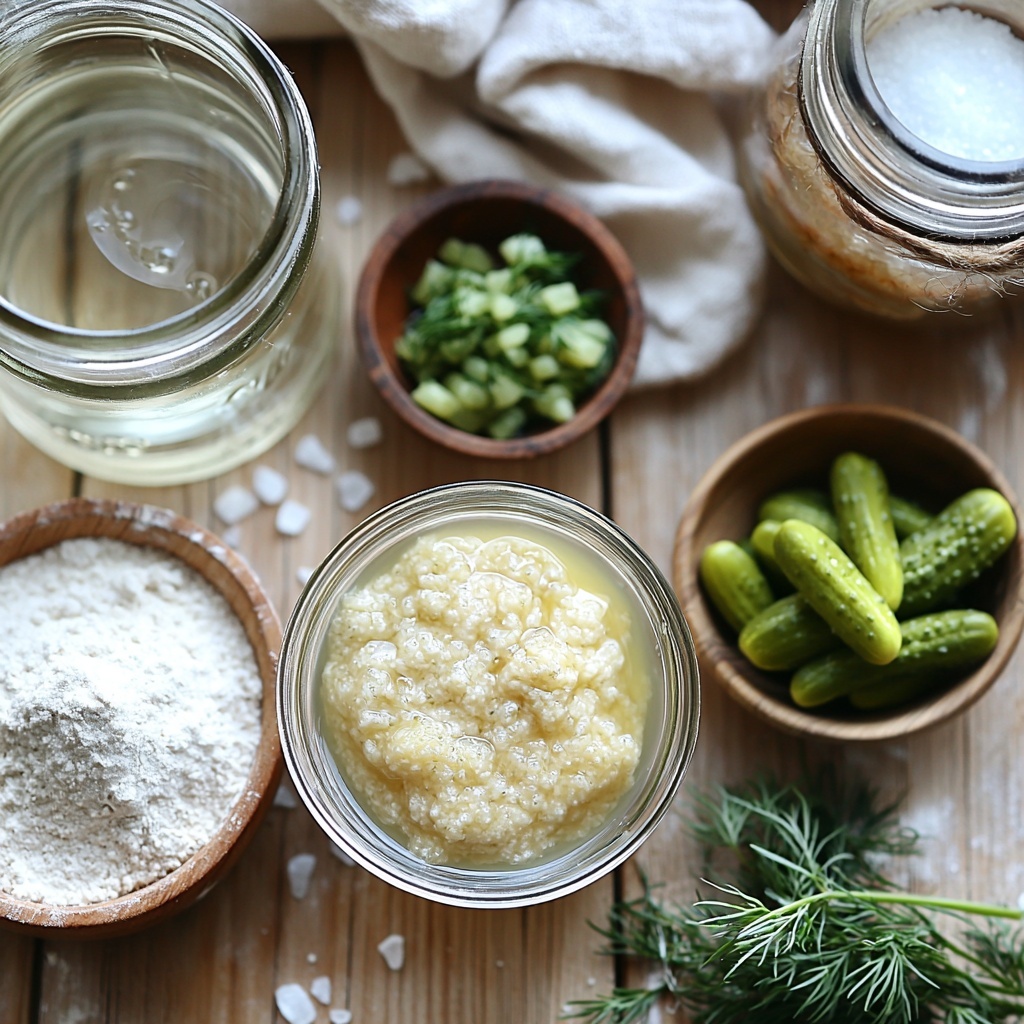
Ingredients You’ll Need
Getting started on this bread is wonderfully straightforward because the ingredients list is simple, yet every element plays a crucial role to build that complex flavor and texture. From the lively sourdough starter to the spritz of pickle brine and fresh dill, each ingredient is a superstar in its own right!
- Active sourdough starter (50 grams): The natural leavening agent that gives your bread its signature tang and airy crumb.
- Filtered water, warmed to 85°F (260 grams): Ensures perfect hydration and stimulates yeast activity for a great rise.
- Dill pickle brine (30 grams): Adds the essential tangy punch and pickle flavor deep into the dough.
- Organic white bread flour (375 grams): The backbone of your loaf for strength and structure, providing that classic chewy sourdough texture.
- Whole wheat flour (35 grams): A touch of earthiness and richness that balances the brightness of the pickles.
- Fine sea salt (7 grams): Enhances all the flavors and tightens gluten development for a perfect crust.
- Diced dill pickles, patted dry (80 grams): Bursts of juicy, crisp pickle bits embedded in every slice.
- Fresh dill, finely chopped (1.5 tablespoons): Gives the bread an herby brightness that complements the pickle’s tang flawlessly.
How to Make Tangy Dill Pickle Sourdough Bread Recipe
Step 1: Combine Starter, Water, and Pickle Brine
Begin by stirring your active sourdough starter together with warm water and the dill pickle brine until well combined. This mixture awakens your yeast with a hint of pickle flavor that sets the tone for the entire loaf, ensuring that tangy character hits every bite.
Step 2: Add Flours and Salt to Form Dough
Gradually incorporate your organic white bread flour, whole wheat flour, and fine sea salt into the wet ingredients. Mix these until you achieve a shaggy dough. It might look rough now, but that’s when the magic happens during fermentation and folding, transforming texture beautifully.
Step 3: Fold in Pickles and Fresh Dill
Gently fold in the diced dill pickles and fresh dill, making sure they’re evenly dispersed throughout the dough. These flavorful pockets will give each slice a delightful surprise, bursting with dill-infused pickle goodness.
Step 4: Bulk Fermentation and Stretch & Folds
Cover the bowl and let your dough rise in a warm spot for about 3 hours, performing stretch and folds every hour. This technique encourages gluten development, creating a sturdy yet tender crumb, while the dough doubles in size and develops its signature sourdough tang.
Step 5: Shape and Rest Your Loaf
Turn the risen dough onto a floured surface and shape it gently into a round or oval. Let it rest for 20 minutes to relax the gluten, making final shaping easier and allowing the loaf to maintain its lovely shape during baking.
Step 6: Final Proof and Oven Prep
Place the loaf seam-side up in a proofing basket for its final proof, letting it rest for about an hour while you preheat your oven to 450°F. This careful timing ensures the bread is perfectly proofed just as the oven reaches the ideal temperature for baking.
Step 7: Bake to Golden Perfection
Bake the bread for 40 to 45 minutes until the crust is a gorgeous golden brown and sounds hollow when tapped on the bottom. The result is a loaf with a crisp crust, tender crumb, and those wonderful dill pickle pockets that make this recipe truly unforgettable.
How to Serve Tangy Dill Pickle Sourdough Bread Recipe
Garnishes
This bread is fantastic on its own, but a sprinkle of flaky sea salt or a few fresh dill sprigs on top just before serving can elevate its bright, herbaceous flavors. The salty crunch complements the tang perfectly.
Side Dishes
Pair slices of this tangy bread with hearty soups like tomato bisque, creamy potato leek, or beef stew, where the bread’s sour and savory notes bring balance and interest. It also shines alongside spicy mustard and sharp cheeses.
Creative Ways to Present
Try using the Tangy Dill Pickle Sourdough Bread Recipe to craft unique sandwiches—imagine smoked turkey with Swiss cheese, or a vegetarian delight with goat cheese and roasted red peppers. Toast it lightly and spread with cream cheese for a simple, addictive snack.
Make Ahead and Storage
Storing Leftovers
Keep your leftover sourdough bread in a paper bag or wrapped in a clean kitchen towel at room temperature for up to two days. This preserves the crust’s crispness better than plastic and keeps the crumb soft but not soggy.
Freezing
If you want to save slices for later, freeze the bread tightly wrapped in plastic wrap and foil. This way, it can last up to three months without losing flavor or texture, perfect for making sandwiches on busy days.
Reheating
To refresh frozen or day-old bread, pop slices in a toaster or bake the whole loaf in a 350°F oven for 10 minutes wrapped loosely in foil. This restores crisp crust and soft crumb, bringing back that freshly baked charm.
FAQs
Can I use regular pickle juice instead of dill pickle brine?
Yes, you can substitute regular dill pickle juice for the brine as long as it has a good balance of vinegar and spices to give the bread that signature tang. Just make sure it’s not overly salty.
What if I don’t have fresh dill? Can I use dried dill?
Fresh dill is ideal for its brightness, but you can use dried dill as a substitute—use about one-third the amount since dried herbs are more concentrated. Just mix it in with the dough thoroughly.
How long can I keep this sourdough bread fresh?
Best eaten within two days at room temperature for optimal texture and flavor. After that, it’s perfect to freeze or lightly toast to breathe life back into it.
Can I make this bread without a sourdough starter?
This recipe specifically relies on the natural fermentation from the sourdough starter for flavor and rise. For a non-sourdough version, consider adapting to a yeast bread, but the unique tang will be less pronounced.
Is it necessary to pat the diced pickles dry?
Absolutely. Excess moisture from the pickles can make the dough too sticky and affect the crumb. Patting them dry ensures they incorporate nicely without sogginess.
Final Thoughts
There’s something truly special about crafting your own Tangy Dill Pickle Sourdough Bread Recipe at home. From the wonderful aroma filling your kitchen to the first taste of that perfectly tangy, chewy bite, this bread brings joy and creativity to your baking routine. Give it a try—you might just fall in love with this deliciously unexpected twist on classic sourdough that’s bursting with bold flavor and character.
Print
Tangy Dill Pickle Sourdough Bread Recipe
- Prep Time: 20 minutes
- Cook Time: 45 minutes
- Total Time: 4 hours 5 minutes
- Yield: 4 servings
- Category: Bread
- Method: Baking
- Cuisine: American
Description
This Tangy Dill Pickle Sourdough Bread combines the classic tang of sourdough with the bright zestiness of dill pickles and fresh dill, resulting in a flavorful artisan loaf perfect for sandwiches or toast. The bread features a chewy crust, open crumb, and a unique savory flavor profile that pickle lovers and sourdough enthusiasts alike will appreciate.
Ingredients
Starter Mixture
- 50 grams active sourdough starter
- 260 grams filtered water (warmed to 85°F)
- 30 grams dill pickle brine
Dry Ingredients
- 375 grams organic white bread flour
- 35 grams whole wheat flour
- 7 grams fine sea salt
Add-ins
- 80 grams diced dill pickles (patted dry)
- 1.5 tablespoons fresh dill, finely chopped
Instructions
- Mix Starter and Liquids: In a mixing bowl, combine the active sourdough starter, warmed water, and dill pickle brine. Stir thoroughly until well incorporated to create a uniform liquid base for the dough.
- Add Flours and Salt: Gradually add the organic white bread flour, whole wheat flour, and fine sea salt into the starter mixture. Mix until a shaggy dough forms, ensuring all flour is hydrated but without overworking the dough at this stage.
- Incorporate Pickles and Dill: Gently fold in the diced dill pickles and freshly chopped dill into the dough. Make sure the add-ins are evenly distributed throughout the dough for consistent flavor in every bite.
- Bulk Fermentation: Cover the dough with a damp cloth or plastic wrap and let it rise in a warm place for approximately 3 hours. During this period, perform a series of stretch and folds every hour to develop gluten strength until the dough doubles in size.
- Pre-shape and Bench Rest: Transfer the dough onto a floured surface and shape it loosely into a round. Allow it to rest uncovered for 20 minutes to relax the gluten before final shaping.
- Final Shaping and Proofing: Shape the dough into a tight loaf and place it seam-side up in a well-floured proofing basket (banneton). Proof the dough for 1 hour while preheating the oven to 450°F (232°C).
- Bake the Bread: Transfer the proofed dough to a preheated baking vessel or stone and bake for 40 to 45 minutes until the crust is golden brown and the loaf sounds hollow when tapped at the bottom, indicating thorough baking.
Notes
- Ensure pickles are patted dry to prevent excess moisture weakening the dough structure.
- Warm the water to about 85°F to create an optimal environment for yeast activity but avoid temperatures above 90°F to protect the starter.
- Stretch and folds help develop gluten without kneading; be gentle to preserve dough integrity.
- Use a banneton proofing basket for better shape and crust texture.
- Allow bread to cool completely before slicing to maintain crumb structure.